
“The Vampire Lestat” Cast On Evolution, Trauma & Public Opinion In Season Three!

Nerdigo correspondent Kay-B heard about all things Season three for the queer Vampire romance drama of the ages, Ann Rice’s The Vampire Lestat! While the name changed from Ann Rice’s Interview with the Vampire, the bold, brilliant and utterly gut-wrenching performances remain the same. As part of the Television Critics Association virtual press conference, participants included Rolin Jones (Showrunner & Executive Producer), Sam Reid (“Lestat de Lioncourt”), Jacob Anderson (“Louis de Pointe du Lac”), Eric Bogosian (“Daniel Molloy”), Delainey Hayles (“Claudia”), Jennifer Ehle (“Gabriella de Lioncourt”), Assad Zaman (“Armand”), and Sheila Atim (“Akasha, Queen of the Damned”).
Created by Jones, The Vampire Lestat picks up Rockstar Lestat on tour and filming a Vampire forward documentary about all of his antics. But along the way Lestat’s account of his life’s stories, traumas and unresolved mommy issues, lead to a vulnerable side that we’ve never seen before.
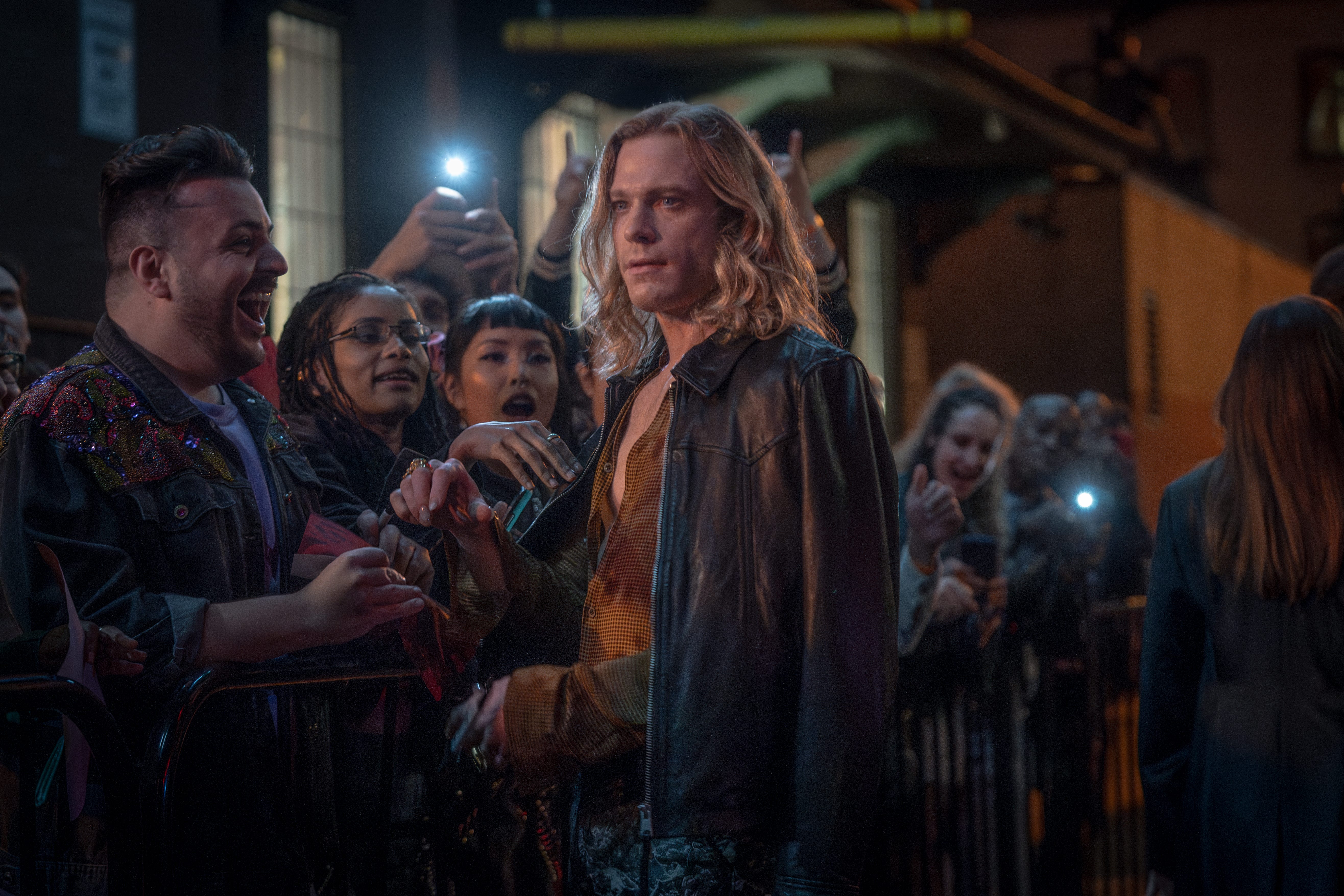
On the strategic use of inconsistent record timestamps and the possibility of Lestat being an unreliable narrator this season, Jones teased: “You should infer that there are gaps in the story that Lestat isn’t telling us and use the recordings as a guide to how much time has passed. In the writer’s room we were thinking of both in relation to the last tape, and it’s 111 total. So some of it is like Lestat waking up one day and pulling out a Danielle Steel novel and just reading it. And that’s one of the albums that you get. Then there’s another performance art piece that is in the music box. Some of it is real, and some of it you can imagine he’s screwing around a little bit.”
On the lighter tone and the seemingly absent misery this season, so far, Jones shared: “You’ve just got to go one more. Even just getting into three, it goes that way after that. You’re being seduced. It’s going to get about as dark as we’ve ever gone by the end of this, yeah. It is structured around how Lestat wants to tell his story. And I think he comes in very confident, thinking he can be glib and fun and keep it at bay. And as he gets deeper and deeper into recording that thing, and things are coming up, it begins to change how the story is being told, how you’ll feel about it. It’s just... it’s a part of an emotional landscape.”
Anderson continued: “I didn’t really know how to be happy in this show. It was like, you know, the divorce settlement scene is supposed to be playful. And I was like, ‘Ah,’ having a meltdown over playing, like, a sort of confident Louis, yeah.”
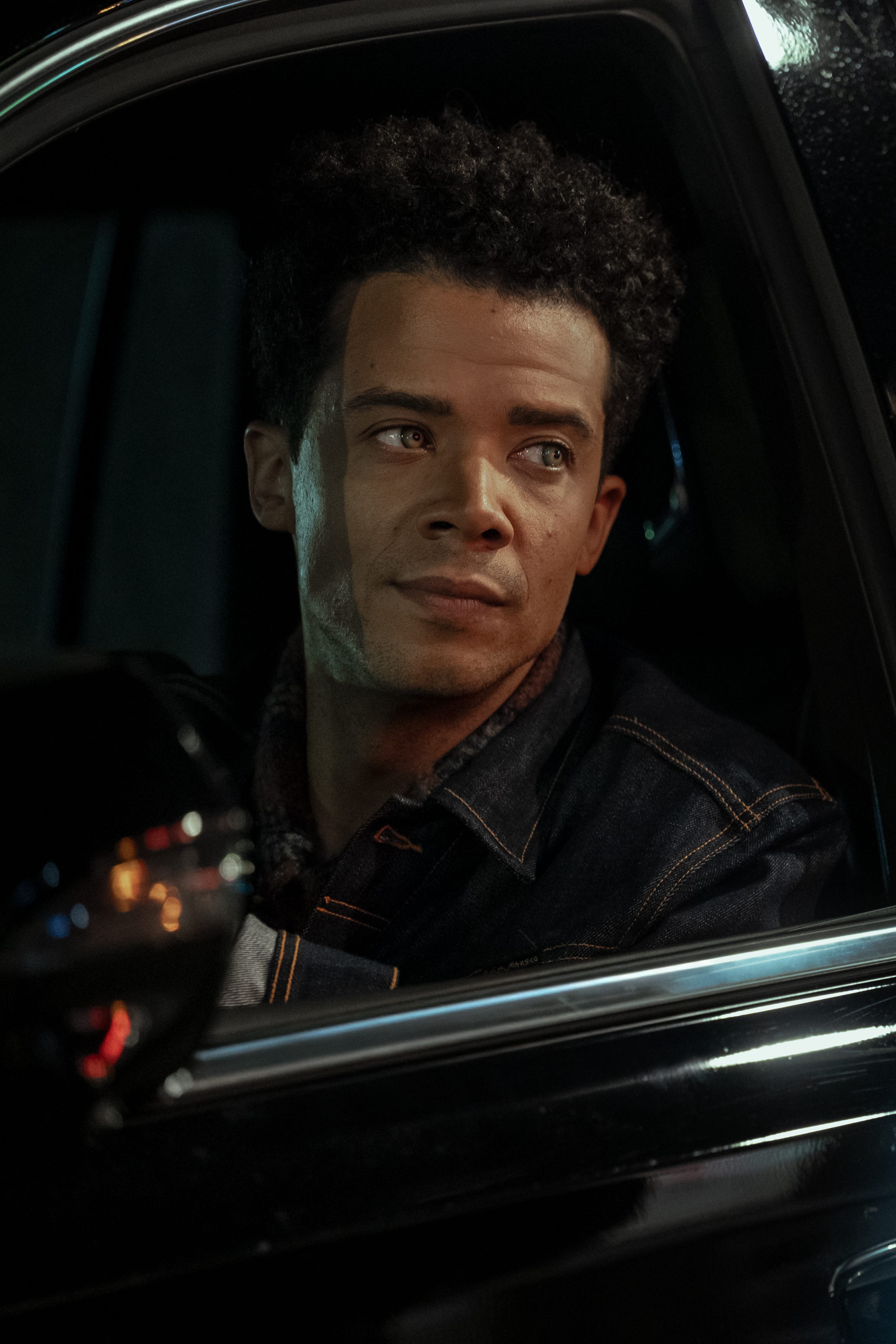
Reid interjected: “I mean, I think that’s what Lestat wants — he wants people to have a good time. He doesn’t want to engage in any sort of trauma or trauma porn or any sort of capacity in which he may have been interpreted in the past. And so his MO is — that’s kind of from the books. And I think Rolin and Hannah and the team have done an amazing job of sort of replicating that experience when you first go from one book to the other. And you get that very extreme whiplash, where you feel like you’ve gone into a much more irreverent, sort of playful space. But then the darkness sort of creeps in very slowly and then kind of takes over. And he can’t escape it, either. It’s sort of like he’s constantly crawling out of the ground while it’s being — crawling out of the grave while it’s being shoveled full of dirt.”
On finally being involved in a vampire project at this stage in his career, Bogosian told us: “Yeah, I mean, I guess I’ve loved vampires all the way back to Bela Lugosi doing ‘Dracula,’ which scared the hell out of me when I was a kid. But for me, it was Frank Langella on Broadway in 1977 playing Dracula that I understood the power in a vampire role. And then as I got older, it was more — I love the eroticism of it, I love... well, let’s just skip forward to Anne Rice. She asks big questions in her books about immortality, about what relationships — what a person is. I mean, just what makes up a personality? That’s going to be a big part of this season, for sure. And so, here we are. I wanted to play, like, classic vampire — guy with fangs, bites people, sucks blood — and that was all I really needed. And instead, I ended up being thrown into the seven circles of hell with this show and all the craziness that comes with it. And it’s wonderfully challenging. I never really know what’s going to happen with the scripts that get sent our way, and I’m learning. I have to learn. I’m playing this guy who vibrates very close to me, and now he’s a vampire. And I’d say that he’s a fairly — even if he wasn’t good at life, he’s a very rational guy, and he’s led a rational life. And now he’s in this very chaotic, vampiric universe where normal logic does not apply. And it’s confusing and challenging. Also, this season, I’m not interviewing Louis anymore, which had a sort of step-by-step, solve-the-mystery thing to it, and he was trying to help me with it. Now Daniel is interviewing Lestat, who is doing everything he can to throw things in the way of the interview, and it becomes a much more headbanging experience.”
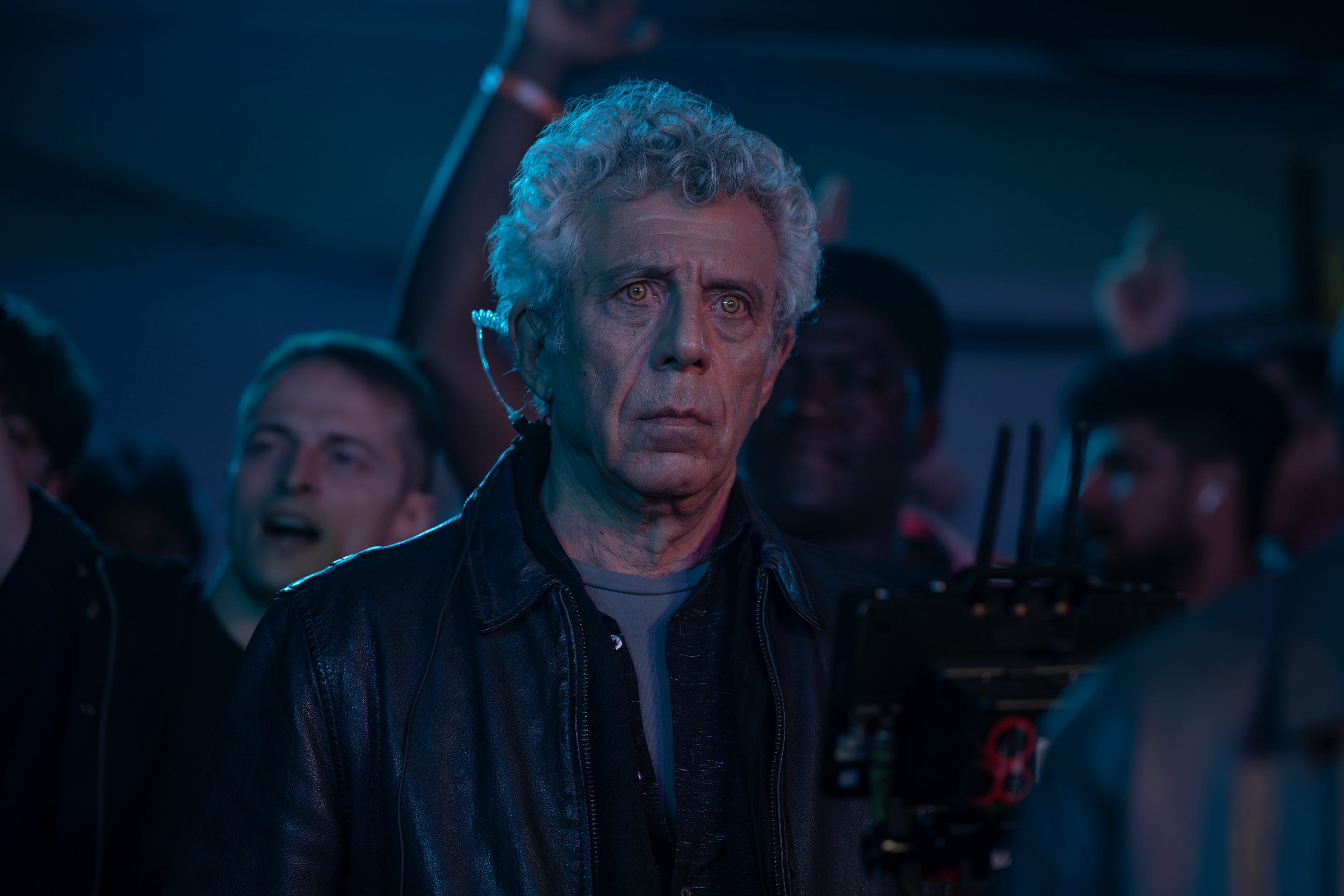
On the creative challenges and differences of playing vampire versions and human versions of the same characters, Anderson said: “Yeah, I mean, I feel like a part of what is so inviting about Anne Rice’s vampires — but also, I think, the way that Rolin and Hannah and the writers have kind of — the prism that they put it through — is that they’re the most human once they become vampires. It’s almost
like these are characters that in their human existence didn’t ever quite do the processing, and now they have to just live with themselves forever.”
Reid added: “Yeah, there’s a quote — I always get this wrong — but there’s a quote from one of the books where she does say, ‘We never really change over time. We just become more of what we really are,’ or ‘...more to what we really are.’ So I think that is that essence — where it’s that — the show does it and the books do it. Where we explore who these people were as human beings, there is a lot of unanswered complexity. And then, when you add on an immortal layer, all of the humanity and the issues that surrounded their life, and that kind of drove their life to certain points, are amplified. And then that’s sort of like their great challenge, to unpick and resolve in some way, on top of dealing with kind of being these superhuman creatures. So I don’t really think we play the show where — like, the vampire gives us an artifice to explore humanity, and you can kind of do it on this very large, operatic scale. But actually, it’s just a metaphor. So we’re really exploring human things, but we do have a framework of monsters, which allows us to be much more extreme with our actions. So when they have a fight, they’ll rip each other apart physically but then get back together again.”
Public opinion creates a new version of truth this season that either comes from people who have read Molloy’s book, listening to Lestat’s music, or Armand’s growing truther movement. On how having a public narrative shapes each character this season, Reid kicked off: “I just thought about this, and this is something that you say, Eric, in the first season when you’re talking about Claudia, which is such a great line. I don’t know if you remember it — but you probably do. Molloy says... you know, Louis is trying to protect Claudia, and he’s like, ‘No, this is my character,’ whatever. You know, you put these things out in the world, and the audience makes of it what they will. So regardless of how these characters feel about these very personal details, now that their information is out and is public fodder and is in the kind of cesspool of social media and the interpretation of the wider audience, it now belongs to them. And they have to deal with the reality of that. And that’s kind of actually like what we’re all dealing with in everything in the world, you know? There’s so much misinterpretation. There’s so much sort of backwash that comes from one single piece of information. I mean, that’s what it is to live in the postmodern world, I suppose. And I think vampires are a great way to explore that. And I think Rolin and Hannah have done an amazing job of doing that. Like, there’s this great speech at the beginning of episode one, and Molloy is sort of saying, you know, you’ve lived through all of the incredible things through humanity. And Lestat is like, ‘Yeah, but also, humanity is full of guys who eat hot dogs for competitions and make money from it. And we’ve got weird Cybertrucks that run through the city’ — and, you know, I think that’s just a great way to sort of explore that in that capacity.”
Anderson expanded: “I mean, I feel like for Louis, it’s sort of a ‘be careful what you wish for’ type thing. Like, he obviously solicited Molloy into the interview, but I think he is also — is he a private person? Sorry, I was just realizing I was kind of lying mid-answer. (Inaudible @ 00:15:19) private person, because he’s turning vampires into an industry. He’s like a big capitalist guy. But then he does it under a pseudonym and an alias. So Louis is fittingly contradictory about his relationship to his public life, I think. He sort of wants to get all the glory, but he sort of doesn’t want anyone — it’s ‘look at me, don’t look at me,’ classic Louis stuff, in terms of how he’s perceived outside.”
On Gabriella’s introduction and how she views herself versus Lestat’s account and portrayal of her this season, Ehle disclosed: “Oh, that’s interesting. I think... I mean, what’s important is the story that Lestat’s telling. I think you get a sense of who she is when you see the entire thing. But I don’t know if — I think it was just realizing his vision of her. I think who she is is kind of not important for the storytelling.”
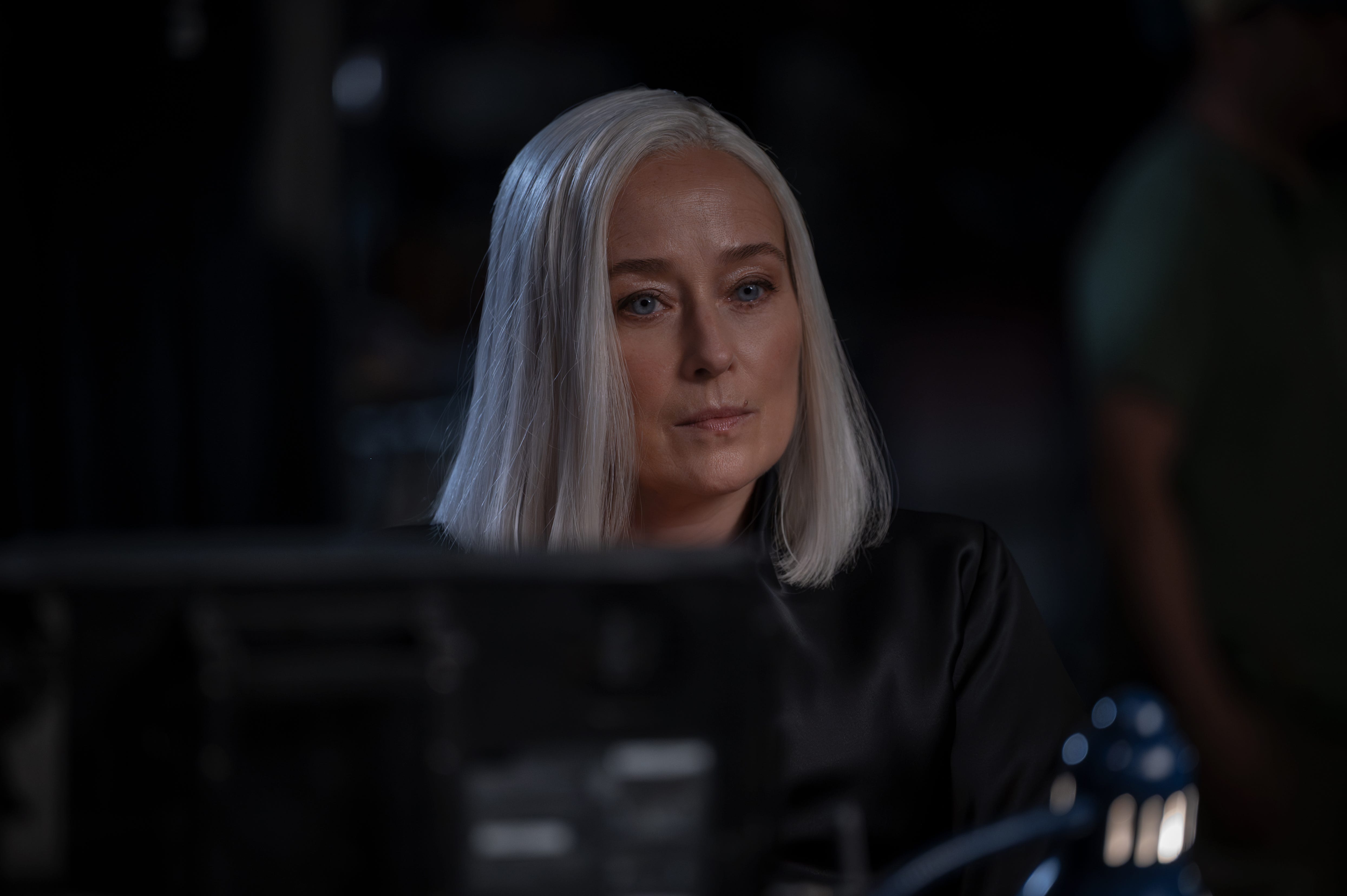
On the inspirations for Lestat’s onstage persona over the centuries, Reid commented: “Yeah, I mean, for me, his sort of onstage persona is built in that eighteenth century. It is the sort of French iteration of the commedia dell’arte. And that’s sort of where I place him as a performer. And then anything that goes beyond that is sort of an extension of that character, because I feel like that’s where he built his stage presence, in his space. So I did look at David Bowie, particularly the ‘Cracked Actor’ concerts, recordings of those live concerts, but mostly to remind myself that he’s not human, that he’s kind of supernatural. So you just have to make sure you don’t forget that sometimes, because there is a lot more vulnerability in him this season than we’ve had before. So I just wanted to make sure we maintain that he is a kind of other thing, which I thought David Bowie does extraordinarily. But yeah, I think in terms of his stage presence, I wanted to make sure it felt still theatrical, in a way, because he’s still performing the idea of a rock star, at least at the beginning. And as the show progresses, the performance starts to disappear. And then I just really focus on the books and Rolin’s work and the songs that Daniel Hart wrote, and try to hone in on that and pull the guy out of those things.”
Jones revealed: “A classical reference — Franz Liszt. We started a day in the writers’ room listening to Franz Liszt, just to open up the day.”
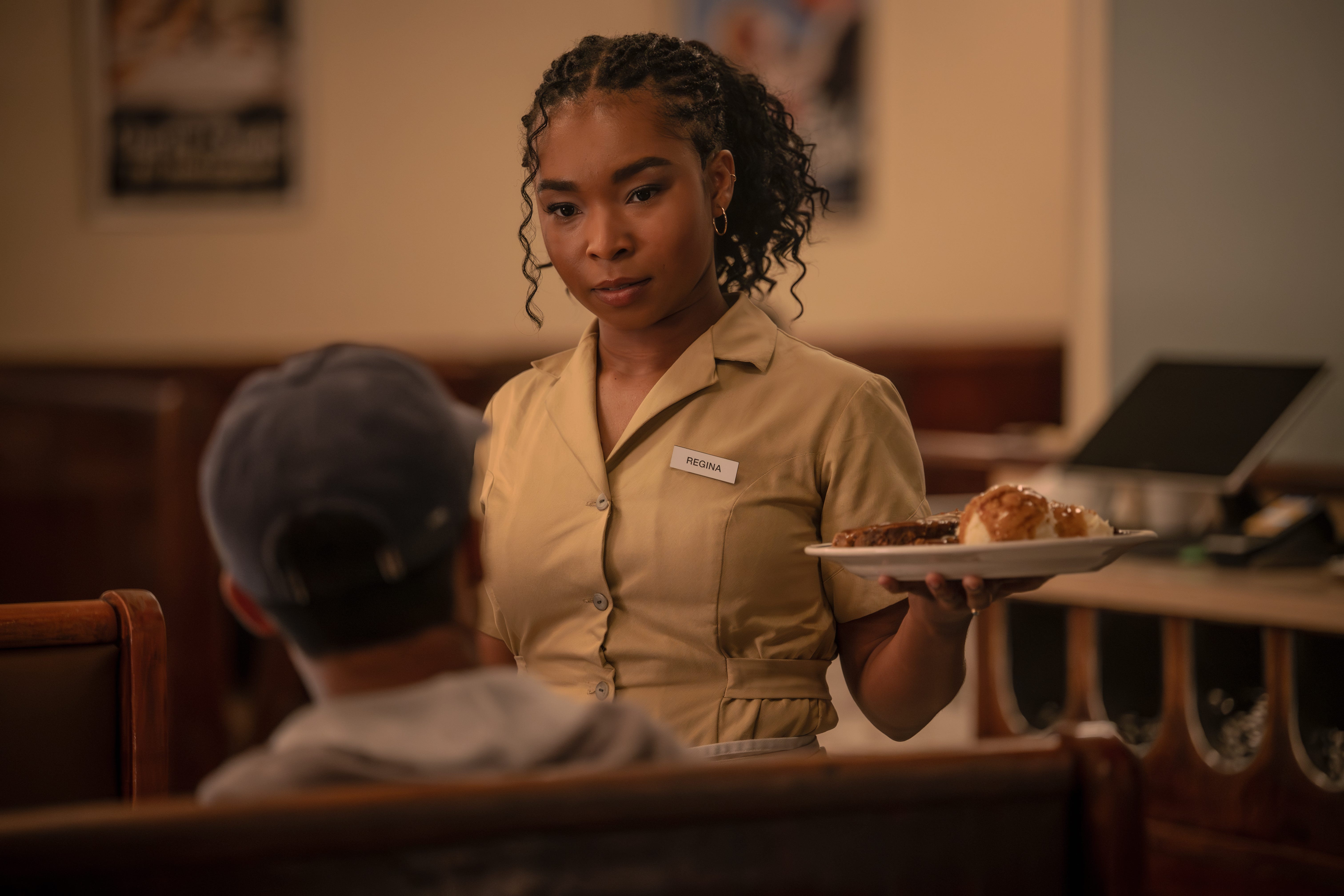
On playing a different character from their primary characters this season, and their approach to that new character within this universe, Hayles chimed in: “I wanted to make Regina extremely different from Claudia but still kind of have that youthful gust of life and antagonization that I feel like they both enjoy having. But yeah, the way I kind of did it is I was just living in the moment of the scene and seeing what came out. And it was nice to be in an actual diner, like on location. And it was funny, because I remember waitressing — being a waitress — and I thought, ‘Oh my God, this is so stressful. I need to get these people their coffee.’ And I was like, ‘No, wait, sorry.’ So it kind of helped being on location. And yeah, it was a lot of fun to get the opportunity to do that.”
Reid continued: “I was just going to say, with Jarda Klapka, it was mostly physical, because, you know, we had a very short period of time to change him around. So how are we going to make him look different from Lestat? Originally, he was Swedish — Rolin wanted him to be ‘Swedestat,’ so he was Swedish. And then, you know, I went down working with the dialect coach and doing research, and discovered that a man of that age from Sweden would probably have gone through military training and would have spoken very good English. And I was like, ‘So this is the accent.’ And Rolin was like, ‘Oh no, that’s too clean. I want a thicker accent.’ So he changed him, very last minute, to ‘Czechstat.’ Then he became from the Czech Republic, so we got a much thicker accent, and he sort of changed. But I worked with Tami, the makeup artist, Tami Lane. And we sort of gave him a monobrow. We used my teeth from season one — one of the test teeth pieces — and filed the fangs off. And then they were slightly too big, so it gave him a bit of a buck tooth, and Tami painted a gap in the tooth. So there were a few more physical things. And obviously we had double wigs going on, which was a really fun thing to do — a wig on a wig on a wig, which kind of felt like what we were doing with the show. So yeah, it was more of a physical thing. It was mostly always just trying to bring him down a bit, to make sure he was grounded.
And yeah, there’s one episode — I think it’s episode three — where the director really let me go off on this whole Jarda Klapka thing. And I’m very grateful to Rolin for bringing it right back.”
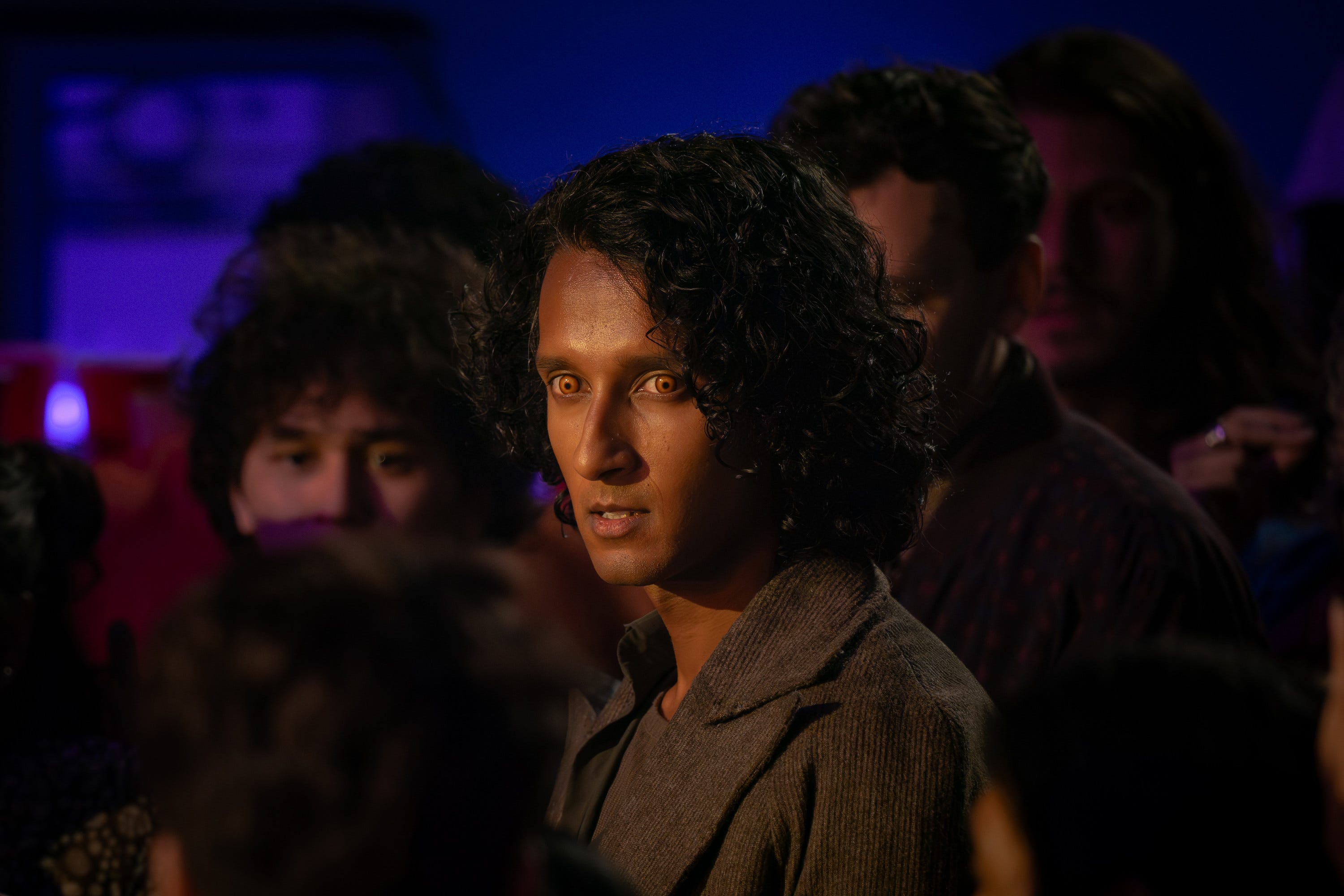
On seeing Armand through Lestat’s eyes versus Louis’s eyes this season, and what we can hope for and expect from Vampire Armand this season, Zaman concluded: “What Rolin and Hannah have done brilliantly, from season one to now, with Armand’s story, is that Vampire Armand has kind of been alive from the beginning and sprinkled in, in a really interesting way, that I feel is almost better than Hannah going, ‘Let’s really hit Armand season, or episode, hard.’ Because I think it was — I mean, it was the first book I read, and I was traumatized for weeks after. I was like, this is just intense, too much. And I feel like it’s so difficult to navigate how you tell that story, especially in this day and age, and sensitively. Also, I think the advantage there — and I don’t know if it’s answering your question — yes, in short, Vampire Armand obviously is part — like, there are things, big things, sprinkled into this season, which is going to be really exciting. But that’s what I love about the sprinkling of it, from season one to three — I feel like, with Armand particularly, there’s so much discourse that I am fascinated by. Like, how the audience is so... in every camp of Armand, there are really passionate thinkers analyzing what he means to them, or what he means to the other characters, and all that stuff. And I love that discourse. I just love that we haven’t definitively kind of given — I don’t know, there’s always room to change and explore him in different directions. So yeah, I like seeing the discourse.”
Catch The Vampire Lestat on AMC & AMC+ Now!
Editor’s Note: This coverage reflects a condensed summary of the press conference. Some remarks have been paraphrased or edited for clarity and flow.
 | A guest post by
|