
Rita Coburn On Du Bois’s Legacy, Politics & Igniting Change In New Documentary: “W.E.B. Du Bois: Rebel With A Cause!”
Streaming on PBS Now

Nerdigo had the pleasure of an exclusive interview with legendary director Rita Coburn (Maya Angelou: And Still I Rise) about her new PBS American Masters documentary: W.E.B. Du Bois: Rebel With A Cause. Spanning the end of the Reconstruction Era, 2 World Wars, and the start of the Civil Rights Movement, the documentary dives into the upbringing, sociological education, career, politics, contribution to Atlanta’s Black cultural society, and family life of the brilliant and bold leader, William Edward Burghardt (W.E.B.) Du Bois, PhD (The Souls of Black Folk). A curious and keen child raised by a single mother, Du Bois’s intellect eventually saw his politics evolve substantially, going from civil rights reformer to eventual expatriate.
Narrated by Academy Award winner Viola Davis (The Woman King), with dramatic readings by Jeffrey Wright (American Fiction), Courtney B. Vance (61st Street), and Common (Silo), this documentary is a rare look into how Du Bois became the prolific author and activist who had an immense hand in radicalizing change, particularly when it came to voter suppression, structural
racism, the criminalization of Black life, and the weaponization of the government against its own citizens. Our conversation with Coburn touched on why Du Bois was the next story she chose to tell, the notable intellectual tension he had with Booker T. Washington (Up from Slavery), his extensive body of work, activism, and so much more. Read our in-depth conversation and call to action from Coburn herself below.
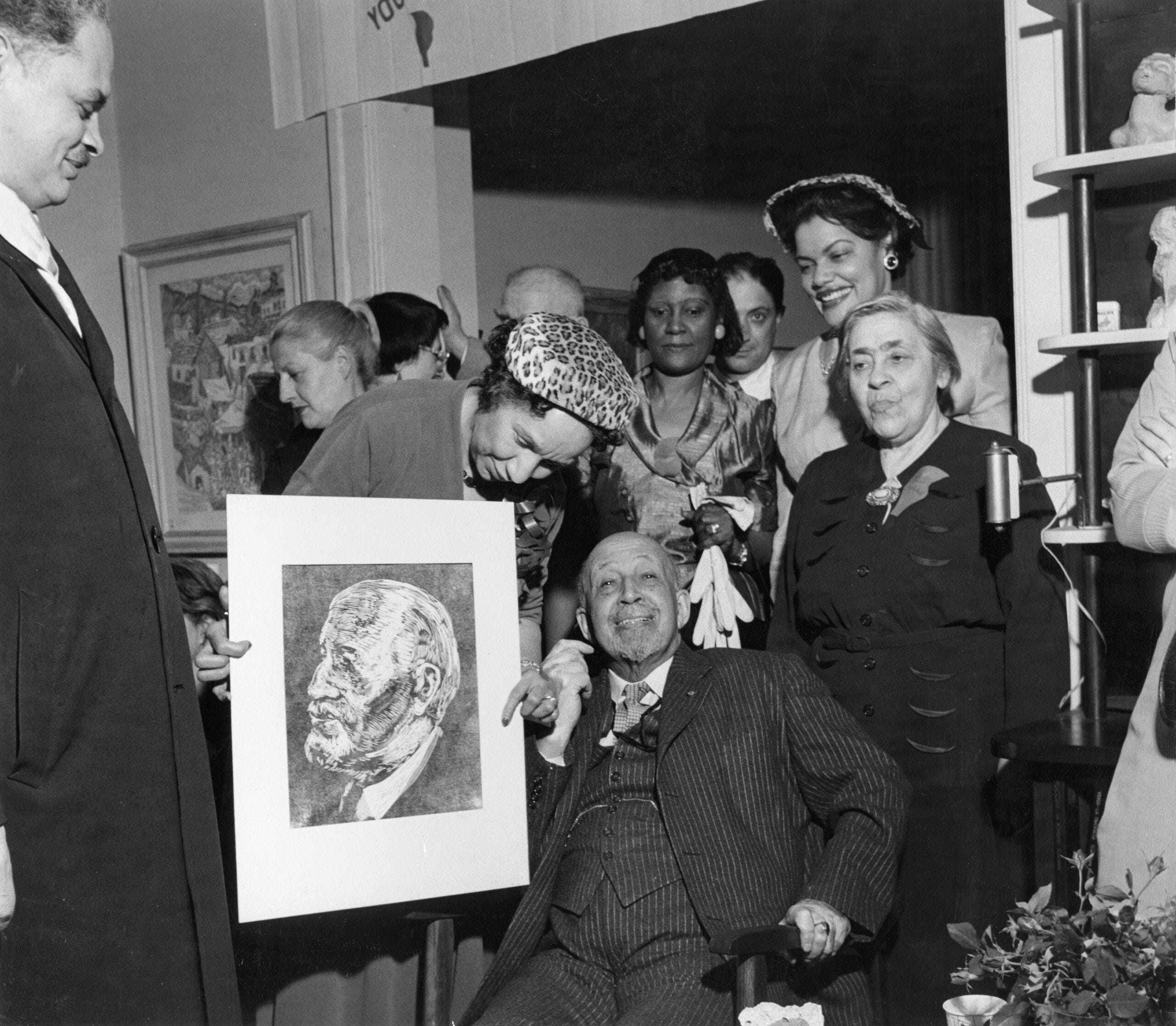
On what first drew her to Du Bois as the subject of a documentary and the moment when she knew his story needed to be told, Coburn shared: “I was working on Oprah Winfrey Radio with Dr. Maya Angelou (The Heart of a Woman). And I would go to her home and record several shows each month. While I was doing that, she talked to me about Du Bois, and she seemed very disappointed that I didn’t know more about him. So, I started looking into him after she had passed. I had done the Marion Anderson: The Whole World in Her Hands documentary, and there were all of these signs. The Du Bois documentary needed a director, and Executive Producer Michael Kantor (American Masters) had just bought a place near Great Barrington, Massachusetts, where Du Bois grew up. I was seeing the different signs about Du Bois, and I felt it was my chance to not only learn more about him, but also to pay homage to him through my relationship with Dr. Angelou. So, in a way, this documentary found me.”
On how she approached his robust archives and enormous paper trail of letters, diaries, academic and journalism work, Coburn added: “This documentary was funded by a National Endowment for the Humanities (NEH) grant, and I approached the research by partnering with the right people to tell his story. David Levering Lewis (W.E.B. Du Bois: A Reader) spent 15 years of his life crafting two Pulitzer Prize-winning Du Bois autobiographies, and he annotated everything. My first step in research was reading both of those and then going to the W.E.B. Du Bois Center at University of Massachusetts Amherst. The collection was curated by fellow artist, activist, and his second wife, Shirley Graham Du Bois (Zulu Heart). Instead of taking clothes
and shoes when she left Ghana, she filled trunks with all his work. I also hired some interns to dive more into his readings. I decided that this documentary should allow viewers to learn more about Du Bois through his own words and bodies of work. So, using his art evoked his spirit and brought the loves he loved to the forefront of his story. I tried to really immerse myself in the spirit of the person and let that take me into the telling of the story.”
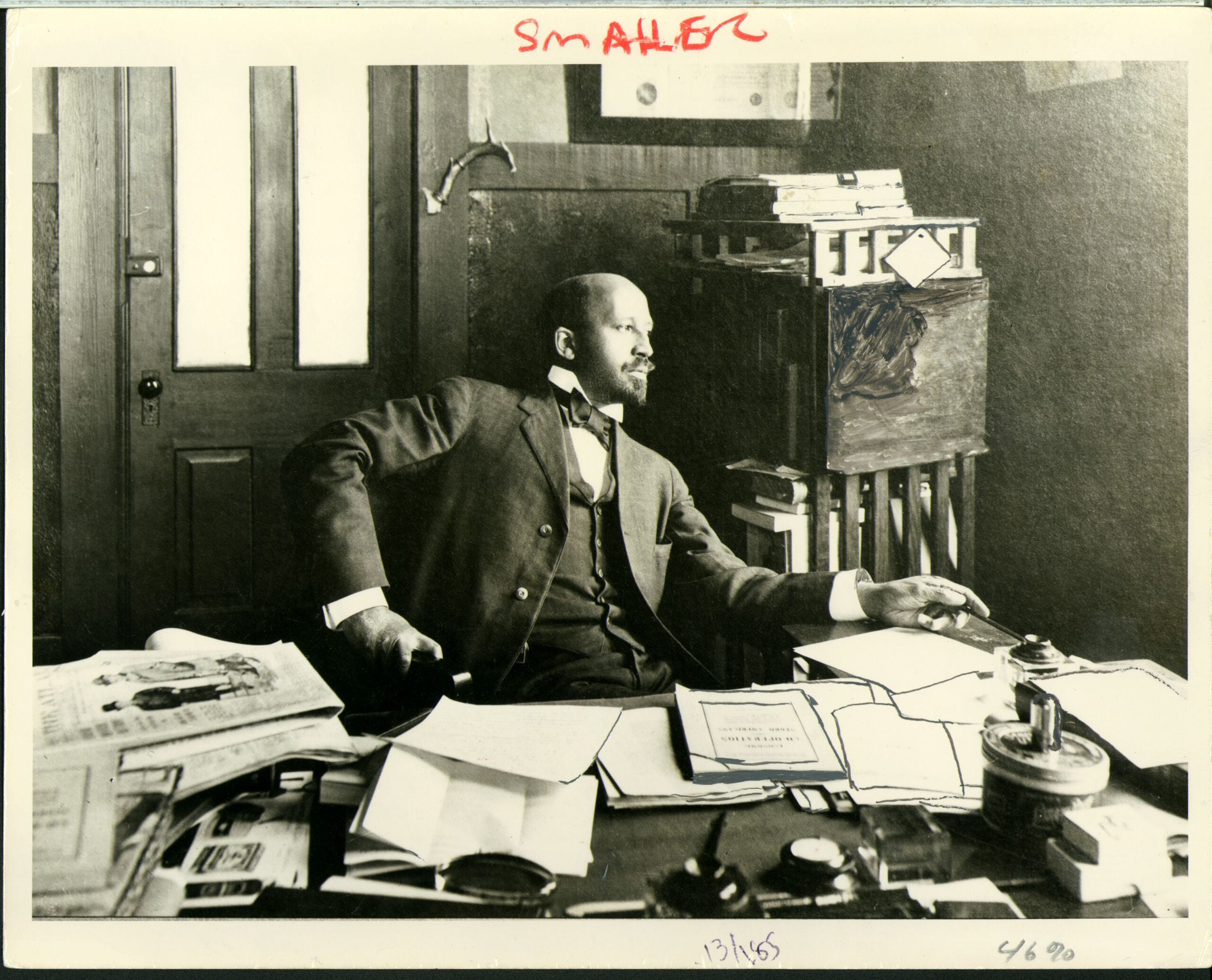
On how she approached Du Bois’s active intellectual conflict with Booker T. Washington and balanced their conflict and debates without flattening either man into a villain, Coburn told us: “Thank you for noticing that. I didn’t want to flatten either of them into a villain. The first thing I had to decide was to tell this intellectual conflict through Du Bois’s words, because this is his documentary. And so, it was in his voice. I also had to stop myself from attempting to tell everything, but give everyone some of his story and, through this documentary, encourage people to read his hundreds of bodies of work that are out there in his own words. But what I found in the research is that Du Bois initially liked Washington and was offered a job by him. He didn’t take it, but he was offered it. The thing about Washington was he was enslaved as a child, and that experience shaped a lot of his beliefs. Du Bois didn’t have that same upbringing, so a lot of their conflict was simply due to different lived perspectives and age. Washington was contributing to labor movements in his own way, and Du Bois was doing activism shaped by his work in sociology. So, I wanted to show that both deserved respect, and that even in his later years, when someone spoke derogatorily about Washington to Du Bois, he spoke out against that. So, while there was conflict, I wanted to honor and respect the work that both men did for our community.”
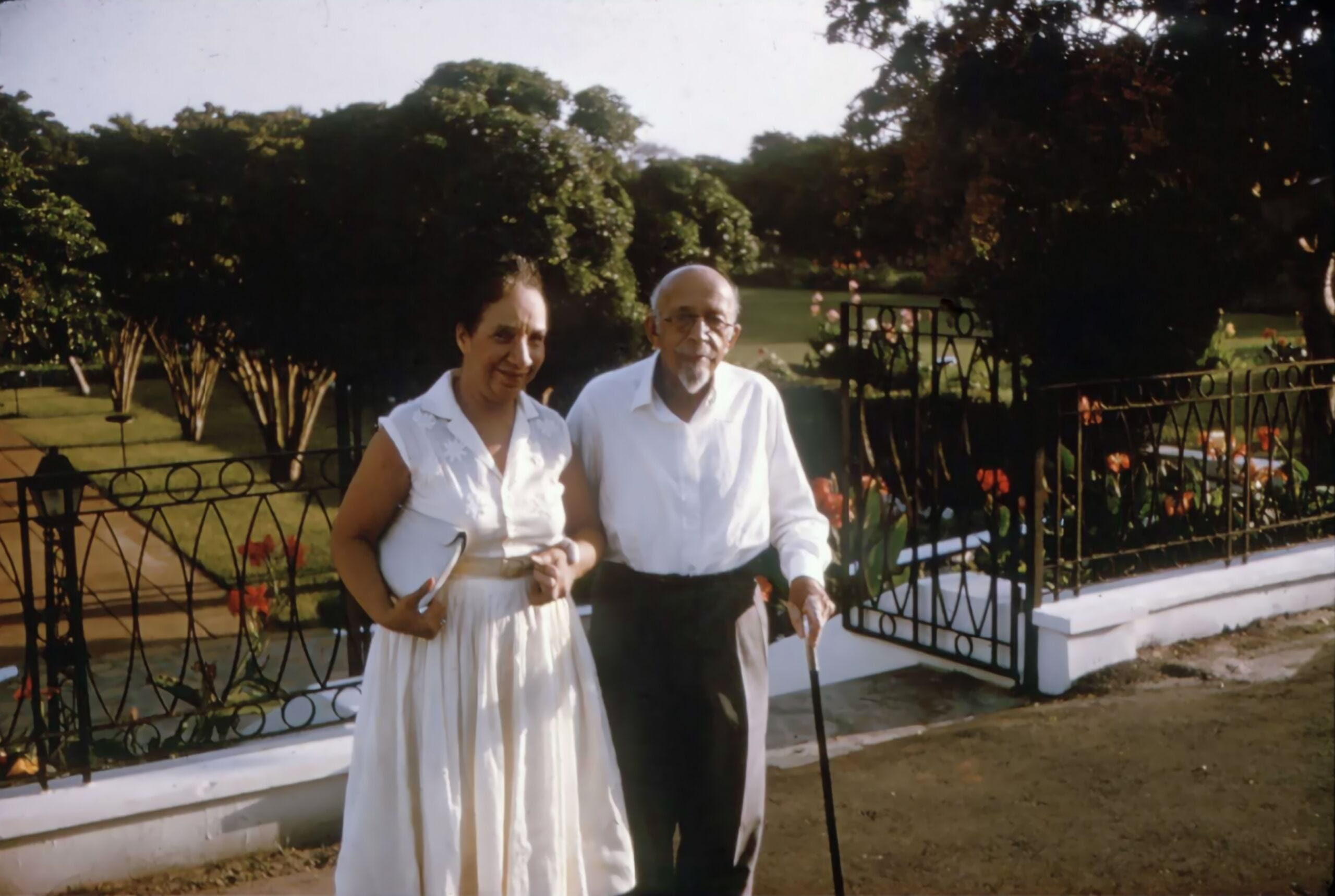
On releasing this documentary in the current political moment we’re living in — much too like the economic and political subjugation that Du Bois referenced years ago — Coburn said: “It’s such a dark time in our history, led by greed and privilege. And we as Black people must continue to stay diligent about respecting our own history, especially when it’s actively trying to be erased. So many great artists have told their communities’ stories, and we need to do the same. We can grow stronger by facing our history and talking about it, making movies about it. When we don’t confront the issues head on, that’s part of the problem too. So, I’ve loved that so many people have been enamored by this documentary on social media. Black people and white people love it. And it shouldn’t end here. Those that can march — we need to march. We need to make society better for everyone. Our voting rights are being attacked, but we can’t lose hope; we have to fight together, because we cannot do it alone. We have to remain the light in the darkness.”
On the beautiful art used throughout the documentary, Coburn teased: “I wanted to use people, because a lot of the photographs that I found were of people who were recently out of enslavement, and I wanted to bring the beauty of their faces, the darkness of their skin, the chiseled look that makes us both African and American to the forefront. I wanted you to really see them. I fell in love with my culture and my people even more while I was doing this project. A lot of this documentary showcases the works of Charly Palmer, Kevin “WAK” Williams, Charles White, and Gerald Griffin, and they were selected because they are down for the culture. Seeing their art complement the story so beautifully — so even when talking about the devastation of the Stock Market crash, you see these strong arms in black and white, and that’s one of Charles White’s pieces. And so, I wanted this art to be another way to show that these
artists are using their work to fight and ignite change alongside Du Bois’s words, which also were a source of change for the culture.”
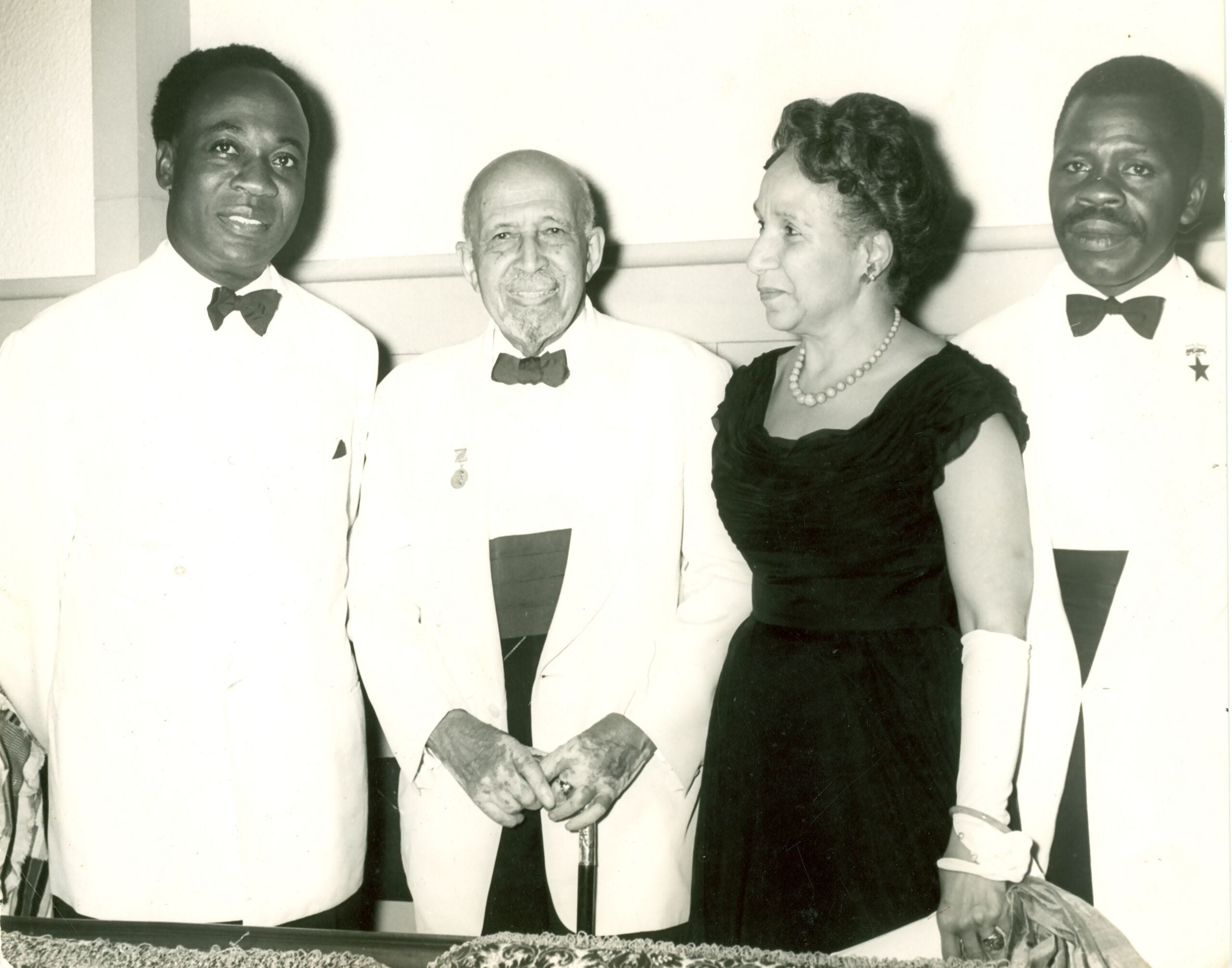
On her hope for what this documentary does for Du Bois’s legacy, Coburn disclosed: “I want people to start a movement and not just let this be a documentary. What’s happening with the redistricting all over — we need to fight. Let’s not get depressed but instead come together to change something bigger than us. I hope audiences watch this and make it a call to action to change.”
 | A guest post by
|