
“Little House on the Prairie" Cast & Creatives On Crafting Their New Version Of The Beloved Series

Nerdigo correspondent Kay-B present for the Little House on the Prairie first season chat with Crosby Fitzgerald (“Caroline Ingalls AKA Ma”), Luke Bracey (“Charles Ingalls AKA Pa”), Skywalker Hughes (“Mary Ingalls”), Alice Halsey (“Laura Ingalls”), and Showrunner Rebecca Sonnenshine (The Housemaid) of the reimagined classic Little House books by Laura Ingalls Wilder. Speaking to the Television Critics Association, the cast and creatives shared what to expect for season two, comparisons to the original show, tension, racism, and so much more!
On the importance of portraying gentle and genuine parental and familial love throughout the series, Fitzgerald shared: “We got a lot of time to kind of talk about what we wanted to do with Charles and Caroline. It’s all really clear on the page as well, just in the script. One of the things we connected on early on was, this is the couple that you strive to be, the parents you kind of strive to be, where, you know, they have hardships. They disagree. They fight. But the love is always the strongest thing, and always the thing they come back to. There’s no question as to whether or not they’re gonna falter — although sometimes you’re like, ‘Uh-oh, are they gonna make it? I don’t know.’ But, ultimately, they carry through. And we were pretty invested in making that happen, I think.”
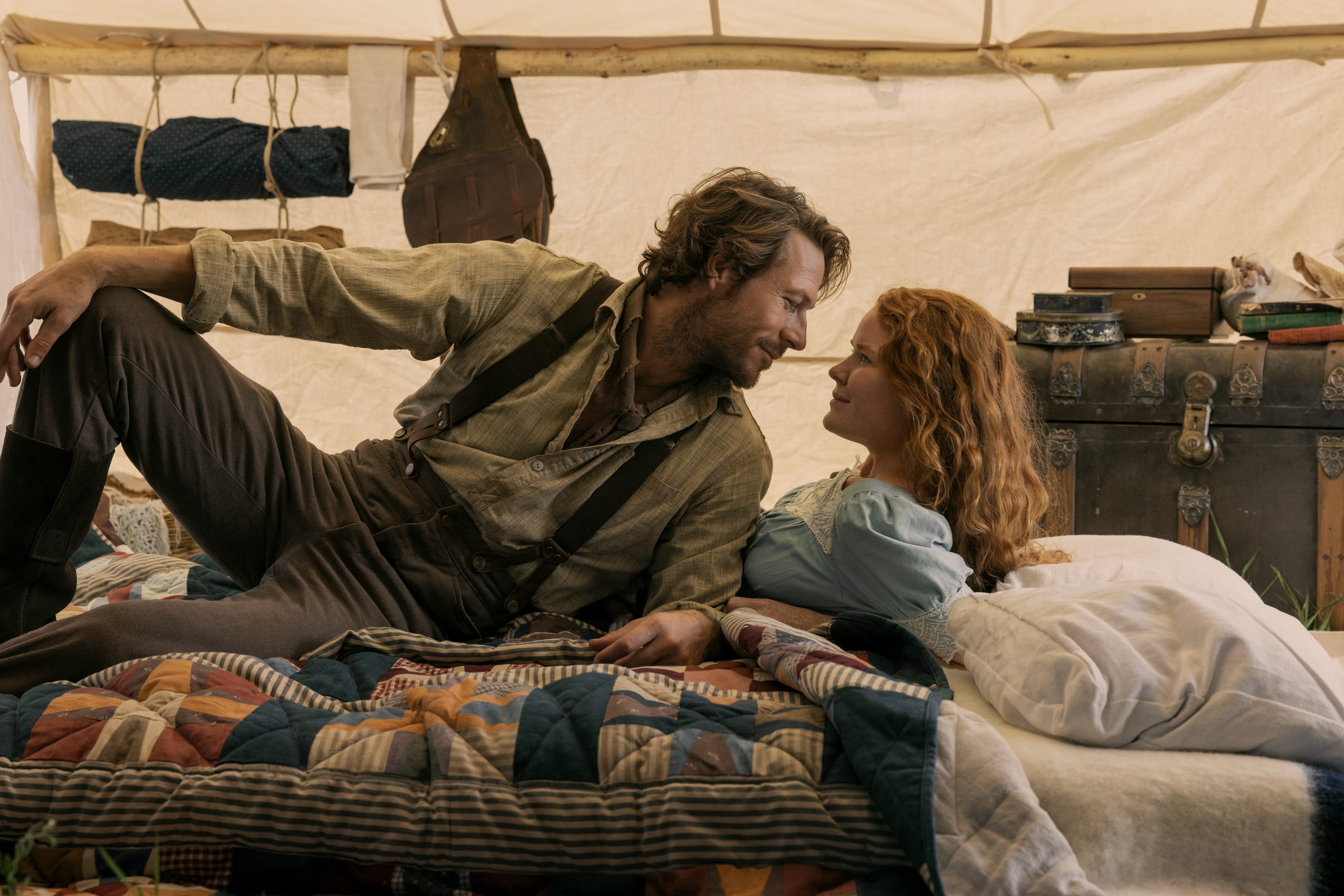
Bracey chimed in: “Yeah, you know, another thing that Crosby and I really wanted was for their partnership to be one of mutual respect, and kind of like teammates through this. They go through so much, and every day for the Ingalls family is a challenge. There’s so much to do, and they go through a lot through all of it. Crosby and I always wanted them to be teammates, and then the respect that they have for each other, and the love on top of that. We really wanted them to be believable as a couple — a couple that takes on life together. So yeah, there’s respect. The teammate aspect of it was something that we thought could really elevate it, from just loving each other to people who love each other and love their family and want the best for it. So it was a really fun thing to discover and to work out together. We really enjoyed the whole process of creating their connection.”
Fitzgerald added: “Yeah, I feel like with every scene, we wanted to balance it too — like the little kisses and things like that, of just, he would never forget to acknowledge how much he loves or admires Caroline. Or she would never forget to be a little blushy at him. It feels like a young love, even though they’ve been together for so long.”
On depicting Indigenous characters in an authentic way that acknowledged the inherent racism of the time period but also embraced a 21st-century perspective on how to be inclusive, Sonnenshine told us: “I think the thing to remember is that what we’re really doing is embracing a very humanistic approach to this show. So whether that’s modern or not, I think what we do is really lean into creating fully realized characters — people that you want to know, people that you want to root for. These are characters that are a parallel to the Ingalls family. These are people who are trying to make the best of the future. They’re trying to figure out what their future is. I think that’s incredibly relatable to everybody, even in this time period — what does the future hold for us? And so in doing that, what we’re doing is just filling out this world with people who are, you know, brothers, sisters, moms, dads, in complex marriages, in complex relationships, coming out of the Civil War. That’s really what we were focusing on — just creating really great characters.”
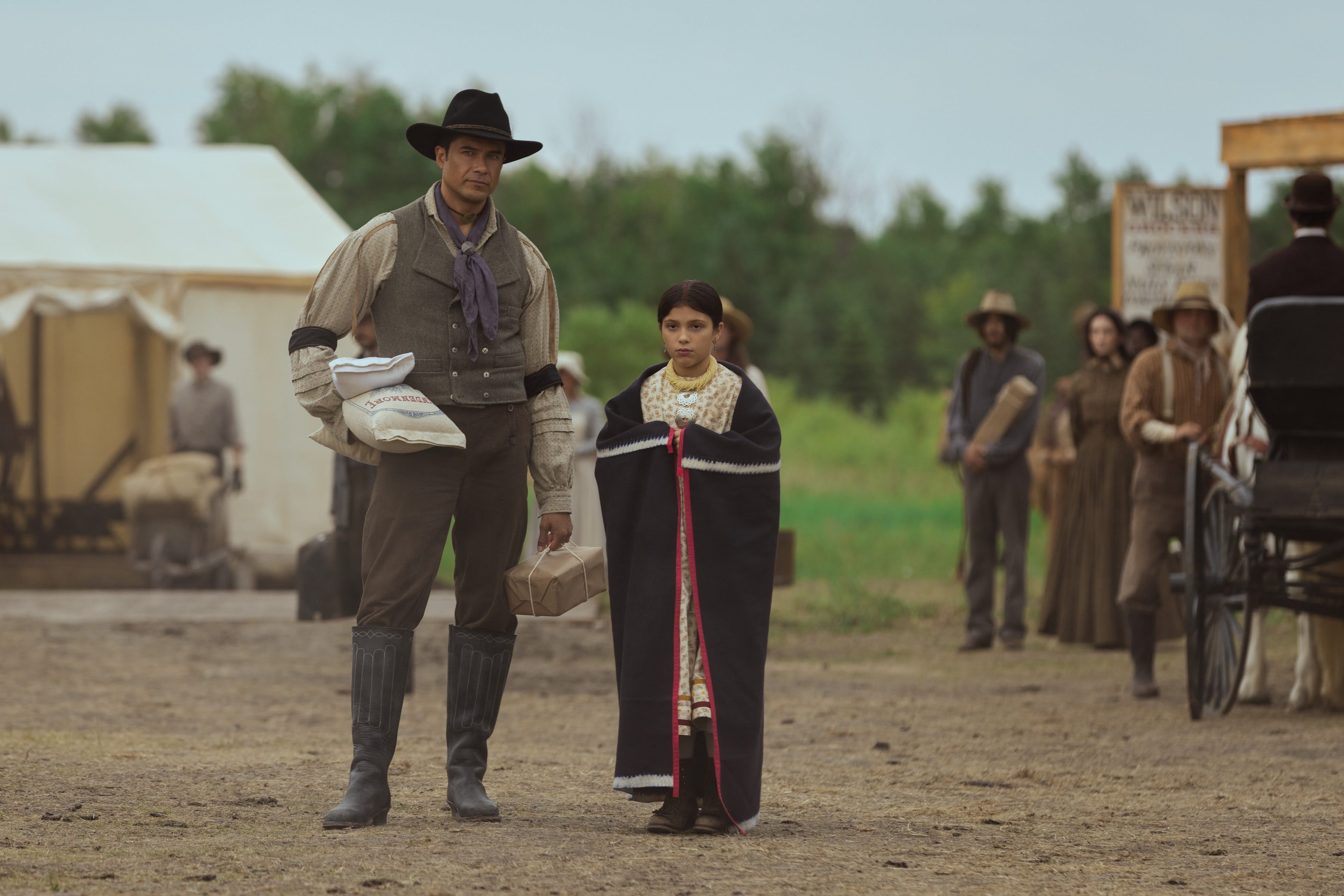
On fine-tuning the Ingalls family and their implication in racism and underlying tensions, Sonnenshine echoed: “I think it all comes down to character, right? You’re very much trying to get into the heads of people — why were they afraid? What kind of information did they have when it came to the prairie? When they come there, their minds are opened up, because they are getting to know people. And that is what this show is all about, which is being part of a community — getting to know people that you haven’t known before, and becoming part of a larger story of America. That’s really what it’s all about.”
On the tension between the family, specifically between Mary and Laura, Fitzgerald revealed: “There’s nothing more realistic than tension in a family. [laughs] I don’t know — three siblings. And I remember, watching it back — I wasn’t there for all of their scenes, I read it, and I didn’t know what they would look like — but I feel like Alice and Skywalker, we were talking the other day, depicted sisterhood so well. One second you’re fighting, the next second you’re like, ‘Do you want to sing, or no? Do you want a peppermint stick?’ It just feels extremely human. The people you love most are the people you hurt the most sometimes. I thought we did a good job showing that.”
On the importance of telling the story now and showing the women with agency and opinions, Sonnenshine noted: “I think those things are absolutely rooted in the books. The relationship between Mary and Laura throughout the series — the series of books — is ever-evolving. They start off young; everybody has these petty fights with their siblings. They’re each other’s best friends and also each other’s worst enemy. That’s just what it means to have a sibling that you’re close to. In the books, it’s really a very central relationship. I would say it was Laura’s most important relationship in her life, her relationship with Mary. That sibling relationship persisted and changed as they got older and as their circumstances changed. It’s really coming to life in this season, and hopefully beyond.”
On their relationship with the source material prior to signing on to this project, Hughes said: “I grew up on a farm with little to no internet and connection outside of that, so I grew up heavily on books — specifically the Laura Ingalls books. They’re amazing. They were a huge part of my childhood, so this is an absolute dream come true.”
Halsey shared: “Yeah, I had the books in my house, but I hadn’t really read them yet. When I got the audition, I read the entire series. I just wanted to understand who Laura is — she really is a very complicated character, I think.”
Fitzgerald affirmed: “Yeah, I grew up reading the books. My mom is a huge fan; she collected a few box sets, and even during my audition process, she still has them. She promised she would return them if I didn’t get the part. So we have them. It was a huge, huge deal, I think, for me and my whole family, for sure.”
Bracey remarked: “I didn’t have a connection to the books or the show. Maybe I’d heard the title, but it wasn’t something that was part of my life, or part of my family’s life. But what I’ve been blessed with is learning how much it means to so many people. Ever since I’ve made the show, I’ve been so struck by the range of people who have told me how influential it is in their life — all ages, demographics, whatever it is, I’ve been surprised by the vast range of society that has told me it’s their favorite thing and how important it is in their life. And then, selfishly, for me, it’s a real privilege to be part of a world and to play a man who is a good man, in a show that’s just nice. I think that’s the beauty of this — there are great lessons in it, and I feel lucky that I’m able to be part of something nice that we get to give the world.”
Sonnenshine mentioned: “I grew up reading these books. I got my first book from my cousin Laura when I was five — it’s when I learned how to read. They became my whole personality; I was the Little House on the Prairie girl. I read them probably a hundred times — I still remember them. When I was grounded, my mom would take away my books. So they’ve been a part of my life this whole time. This is a dream come true, obviously, for me.”
On her desire to remake this iconic series for the TV landscape, Sonnenshine commented: “Yeah, it is an incredible series, right? It’s so special to people. But we’re doing a new adaptation of the books, so that’s our source material, and we’re privileged to have the opportunity to do that, because they’re some of the greatest pieces of American literature ever written, in my opinion. They certainly were influential on me — they set me on my path in life. I think they’re incredibly influential for people who read them. And the opportunity to adapt a work creates something new — you get a different perspective on both the material you’re adapting and the times you’re living in, as well as the times it was written about. So it’s a really wonderful opportunity to explore this time in American history from the present, and how it shaped us and who we are today.”
On the differences between this series and Michael Landon’s version, Sonnenshine said: “Gosh, I don’t know if I can speak to that. I can tell you our take — my take, our take as a group. We’re a community of people making this show. Everybody working on it — the production design, the costumes, the set decoration, the cinematography — is so committed to bringing to life what you feel when you read the books. We always have the books open in the production office. We’ve got Garth Williams illustrations hanging up; they’re some of our inspiration for, ‘What does the well look like? What does the cabin look like? What does the Great Door look like?’ Those are all things we turn to the books for inspiration on. So I guess that’s where we’re coming from — we’re trying to capture the feeling you have when you read them, which is sometimes hard to explain exactly. But when I meet people and they tell me about their memories of reading the books, they remember these incredible details — like the maple sugar candy, and Charlotte the doll and her eye that got torn off, or pulling the rushes apart in Plum Creek. Those things stick with people because they tap into something really beautiful and make them feel close to those people in the book, and to that time in the book. So that’s kind of what we’re after — that’s our approach, to really capture the feeling of what it is to read the books.”
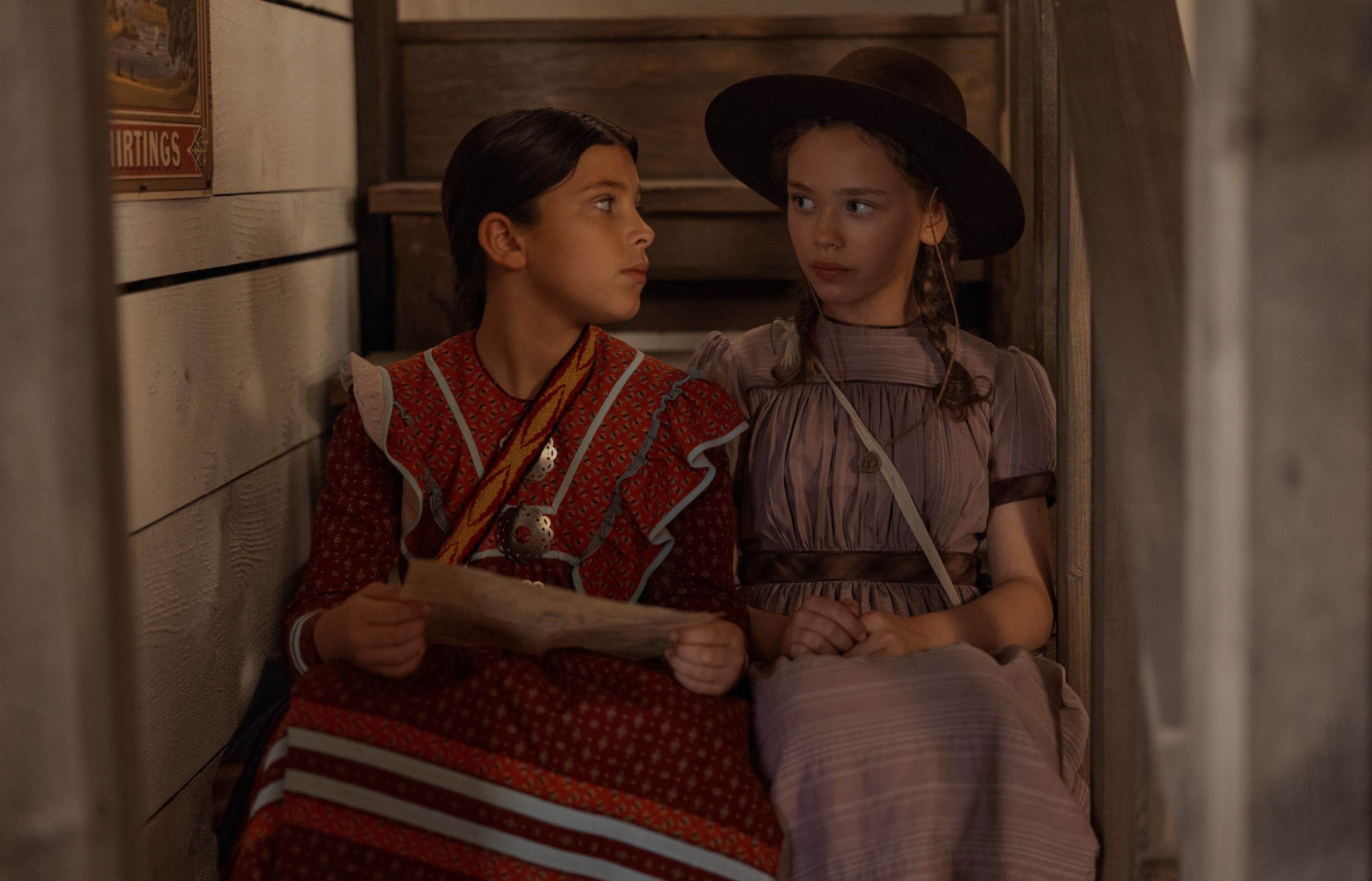
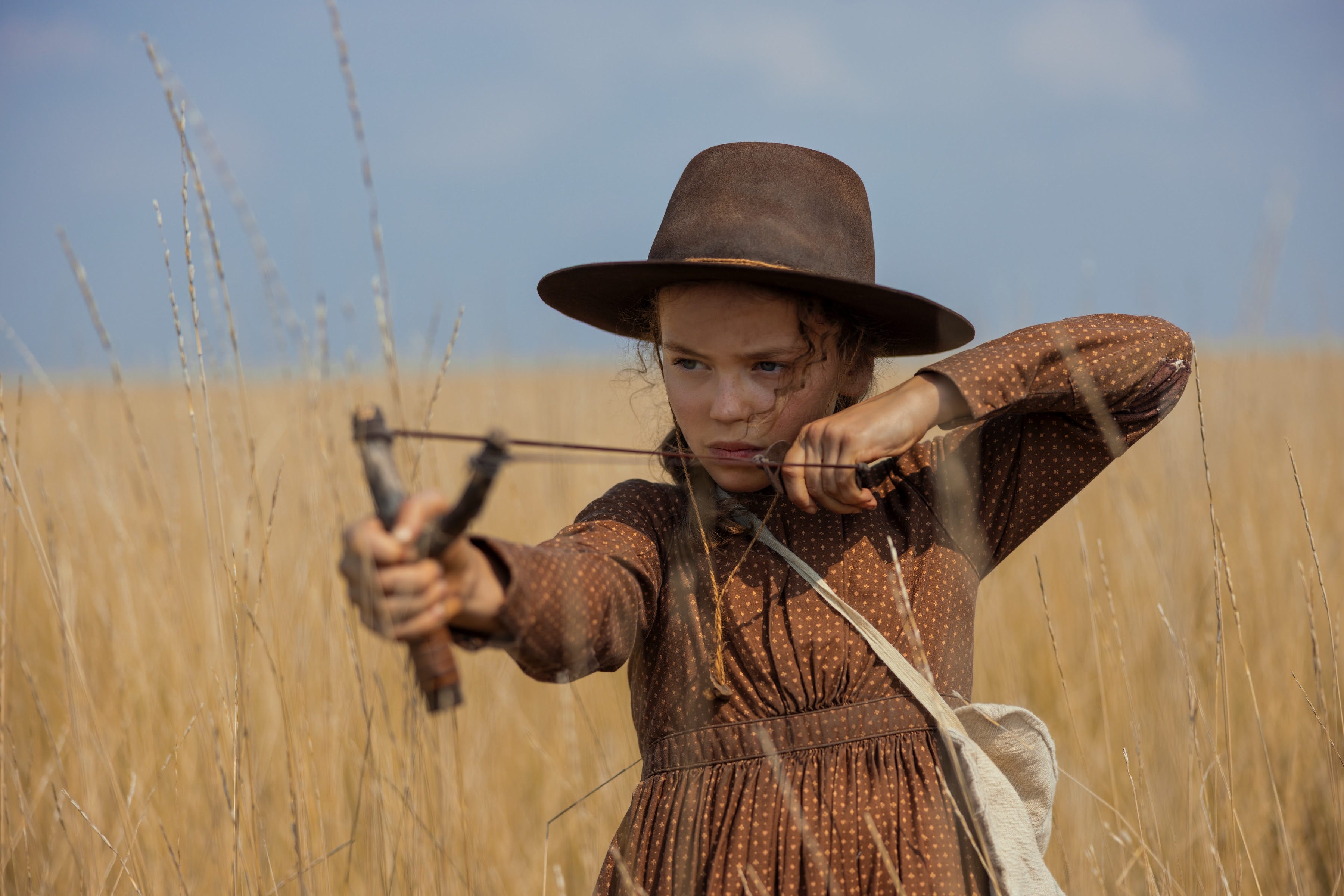
On exploring Laura through narration and acting, Halsey exclaimed: “I love playing Laura in general, whether it’s the voiceover or acting in scenes. I think Laura is an icon, beloved over generations and generations by so many people. She was a writer, a storyteller, an amazing woman. I’m really inspired by her. I think she’s a really complex character and person to play, and it took a lot to figure out who she is — the many sides to her. I read the books a lot, I read the scripts a ton — shout out to Rebecca, by the way, for doing such a good job — and I listened to podcasts and read Prairie Fires. I think she has a lot of different traits, but I admire all of them. One that I especially admire is that she stands up for what she thinks is right, always, no matter the circumstances, even when it doesn’t feel like the time to. I think some people got rubbed the wrong way by that, but I think it’s a good thing, because there aren’t a lot of people who do that, and we need more people who will.”
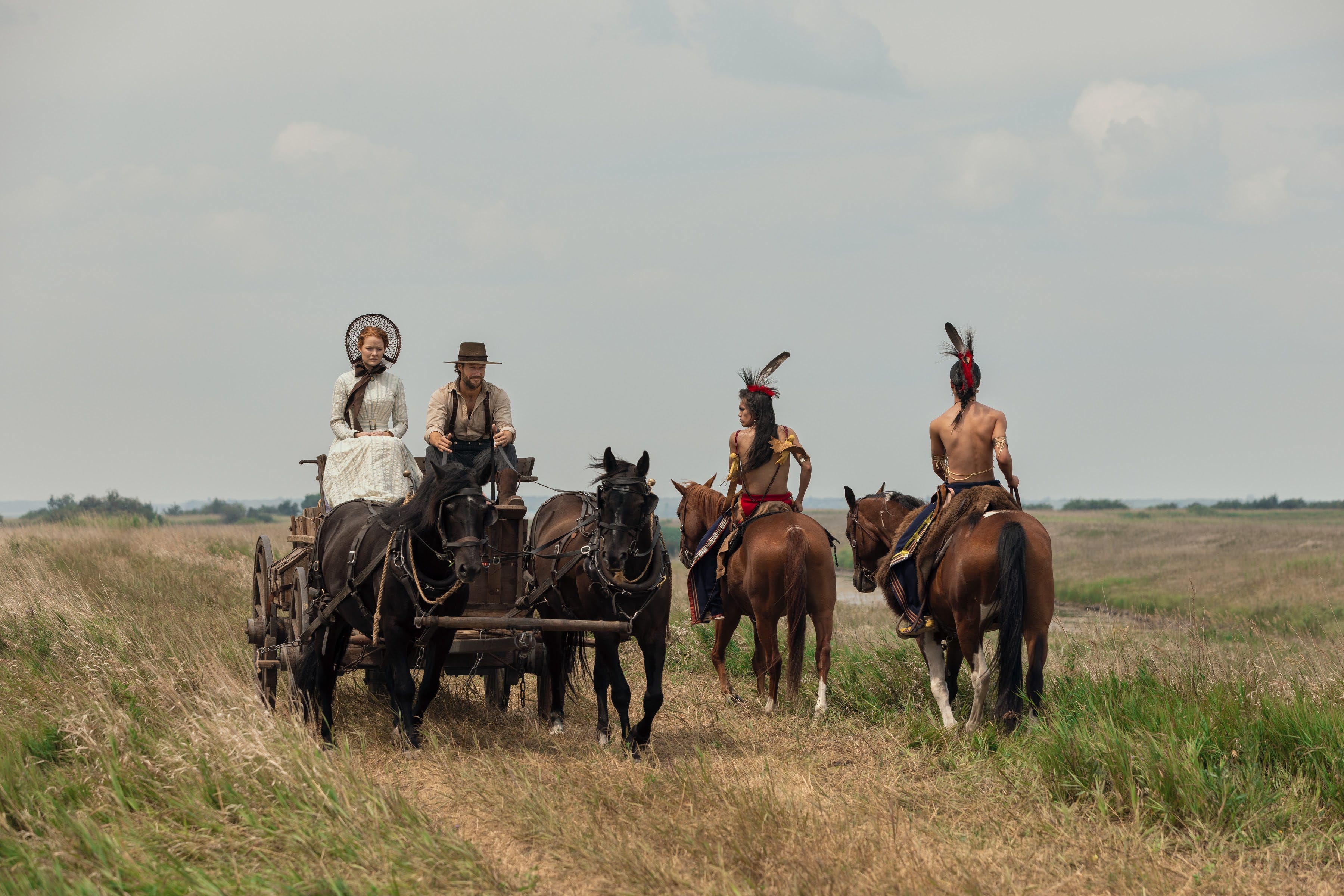
On learning how to steer the iconic carriage, Bracey shared: “Yeah, that was one of the real thrills, actually — learning to drive the carriage. I’ll reverse-parallel-park it if you want. I loved it. I was a bit intimidated when I first got out there and had my first go — you’ve got two 500-kilogram horses with brains of their own that you have to control, and this wooden, rickety carriage, with these absolute angels you’ve got to take care of in the back of it, and an angel sitting up front with me. So there’s a lot of pressure involved in that, but it was something I really, really enjoyed. I think the first time we got up onto the wagon, it really unlocked something I don’t think I was expecting. The height, when you see it from up there, is quite extreme, and we’re in this prairie land, where the vastness of it becomes even more apparent when you’re sitting up there. You can just see and feel this home that they had for however long the journey was — nine weeks or so, the long journey they had. This is all they had, and you can feel how small they must have felt for a long time on that thing. So yeah, that was quite surprising — I didn’t expect to feel that when I sat on it. I thought, ‘Oh yeah, sit on a wagon, I’ll drive a wagon,’ but once I got up there, the responsibility and the feeling of it really struck me. It gave me a completely different insight into it than I expected.”
On what they would miss most about modern life if they were magically transported back to that time period for a week, Halsey told us: “I would miss air conditioning — a lot. From my experience being on the prairie, it can get pretty hot. I would also miss In-N-Out too.”
Hughes added: “I don’t know, I think I’d miss being able to talk to my friends, ‘cause I have friends in a billion different places. Some of my best friends are in New Zealand, and some of them just live all over. So not having the ability to communicate with the people I love would be hard.”
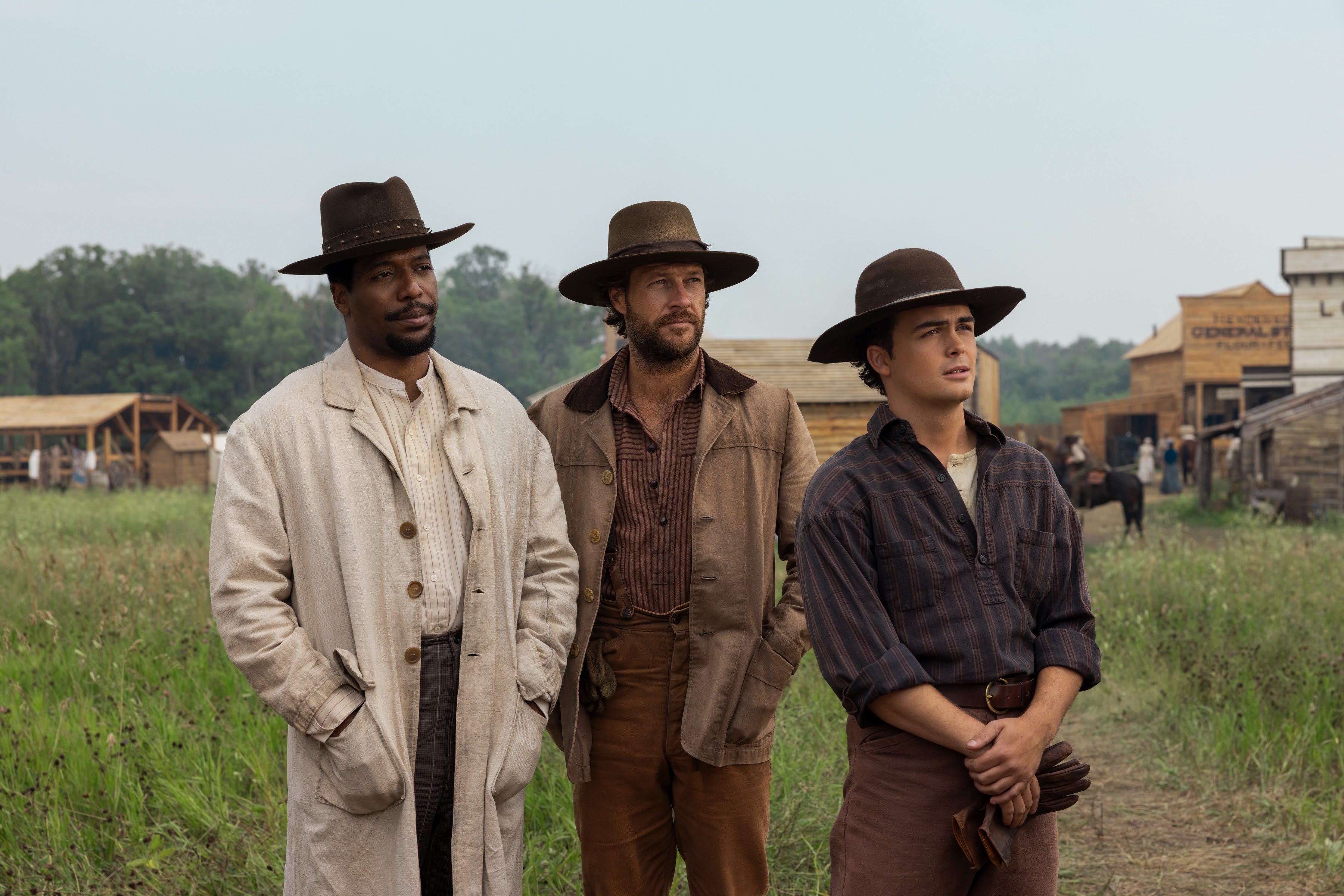
On the approach going into season one and what season two could bring, Sonnenshine concluded: “Well, the exciting thing about being able to do this with CBS and Netflix is that they’re on board with our idea of moving around a lot, which is a huge production challenge, obviously. But it’s so important, and it’s so exciting — it’s a lot of work for our production design team, but it’s also incredibly exciting, thrilling, and challenging. In terms of how you tell the story, it’s really about taking a book and telling a story that has a beginning, middle, and end within a season, while also allowing for what is yet to come to be exciting and anticipated. So that’s kind of our approach — for these to feel like self-contained stories within a larger quilt of stories that we’re telling about Laura Ingalls Wilder. I think anything can happen out on the prairie. They move around a lot — people moved around a lot, more than you’d think. So I’d say the possibilities are quite open.”
Catch Little House on the Prairie only on Netflix!
Editor’s Note: This coverage reflects a condensed summary of the press conference. Some remarks have been paraphrased or edited for clarity and flow.
 | A guest post by
|