
Kogonada’s “Zi” Leads With Beauty But Ends With Unresolved Questions
Sundance 2026 Spoiler Review

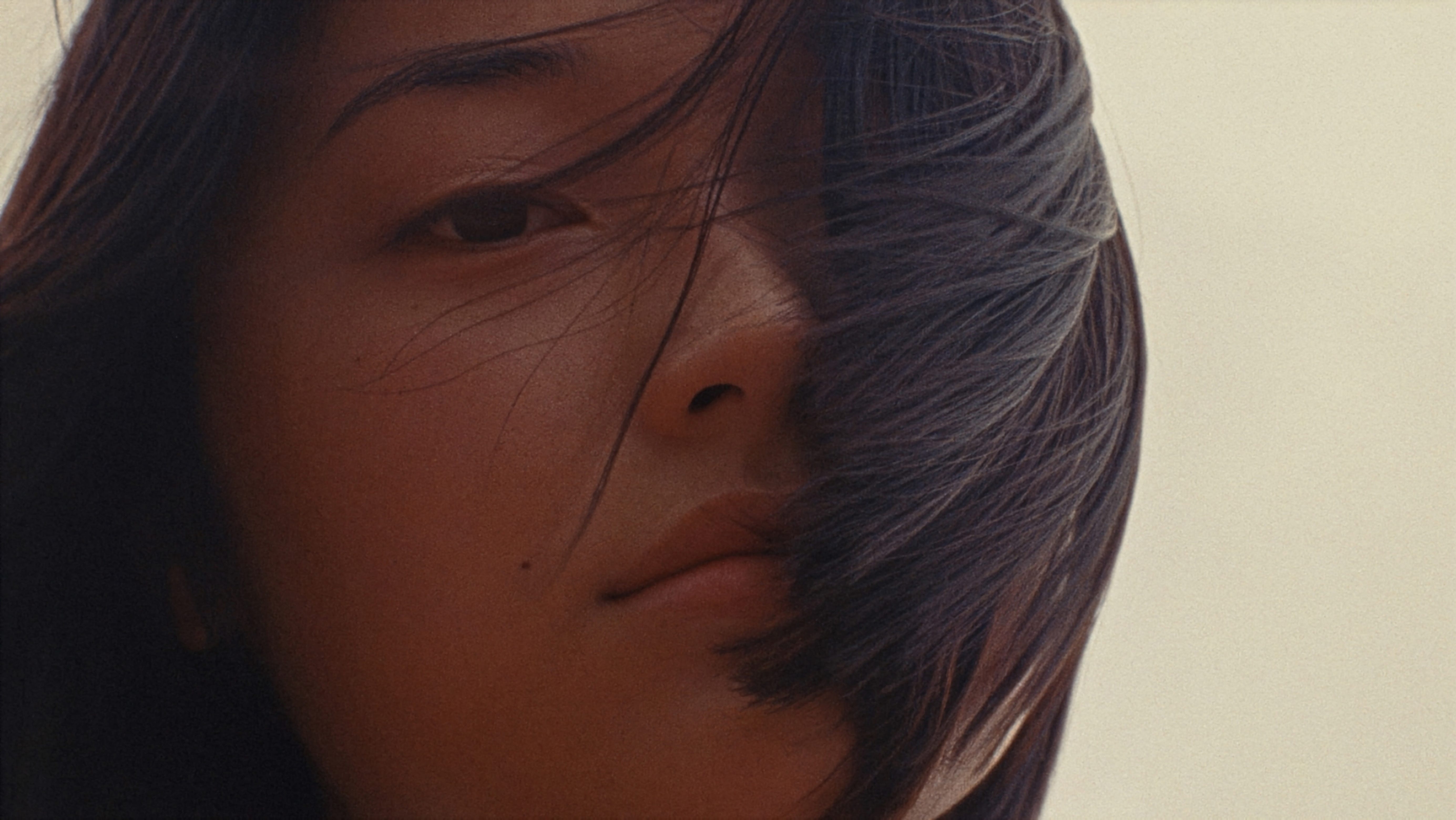
What I love about Sundance is the ability to see such unique films before they hit mainstream release. So, imagine my delight when I found out that Kogonada (After Yang) was premiering Zi at this year’s festival. I saw After Yang at its Sundance premiere years ago, so this was a welcome addition to my viewing list. At an age where my film taste leans toward deeply unique and human experiences, reading the logline for Zi, I just knew I’d be hooked.
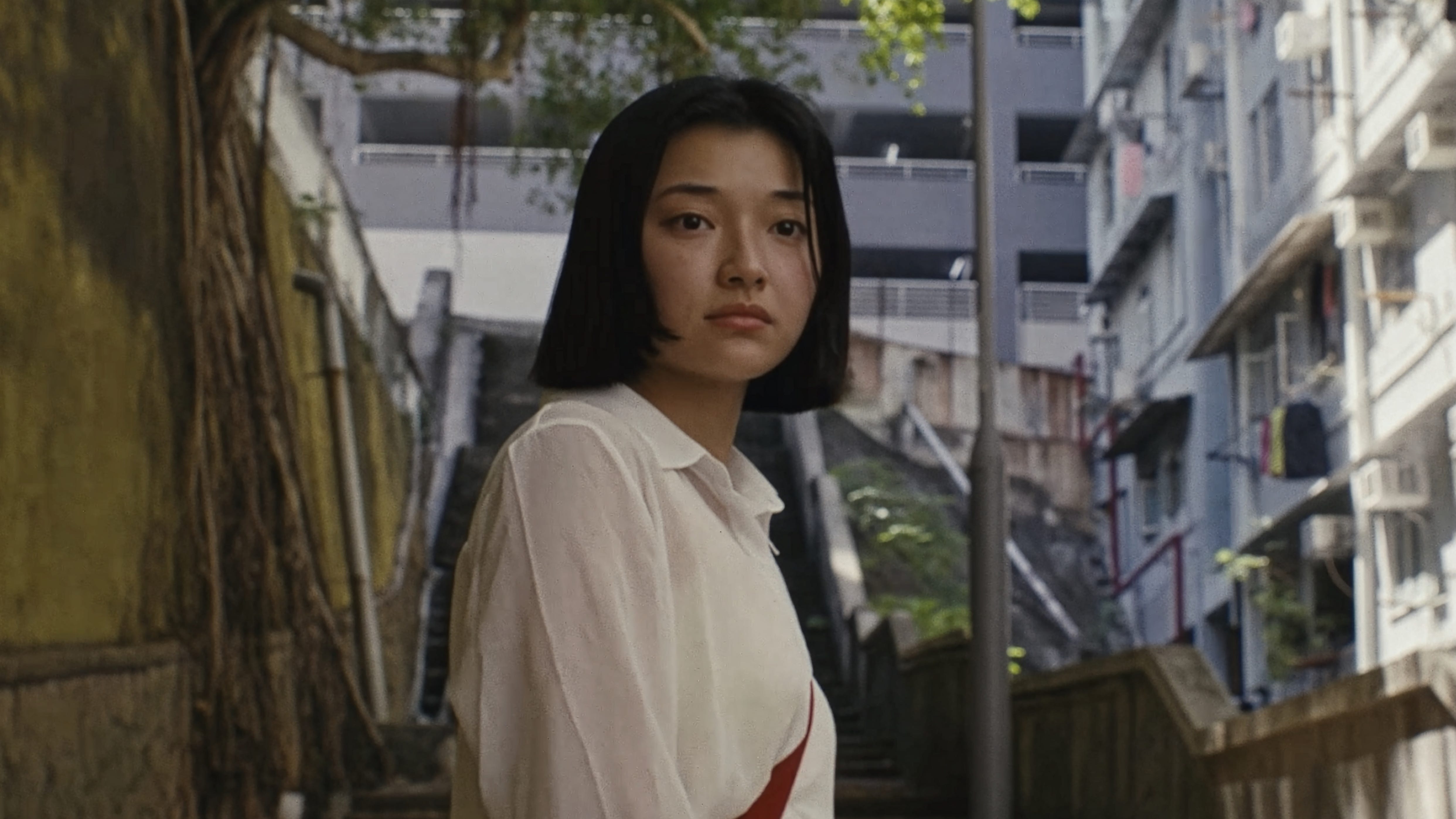
Written and directed by Kogonada, Zi is a visually beautiful film with some very interesting creative choices, but when it comes down to the writing, the script leaves much to be desired. When we meet the titular character, Zi (Michelle Mao, Bridgerton), we learn that she has just been diagnosed with a mysterious illness that could prevent her from going on tour. Her manager urges her not to tell the company yet, but you can see the weight of the news on her. She wanders aimlessly through the streets of Hong Kong, processing how the news from the Center will change her life. During her wandering, she visits the cemetery to see both of her parents. In a heartbreaking conversation with the spirits of her deceased parents, she admits that she can no longer remember their faces. That harrowing truth shows Zi reckoning with what she believes is her impending mortality and loss of hope. While at the gravesite, we see a mysterious man following her. He wears a baseball cap and glasses and stays a few paces behind her, writing in a notebook. When Zi stops on a set of stairs to cry out in frustration, he is right above her, taking notes, when a mysterious woman appears to comfort her. Elle (Haley Lu Richardson, The White Lotus), a former dancer who moved to Hong Kong from New York City after constant rejection began to affect her mental health, introduces herself to Zi. The two of them then spend about 24 hours wandering the streets of Hong Kong together on foot.
When Elle first appears, Zi tells her that she has seen her before and that they have met before. This admission leads Zi to confide in Elle about her neurological diagnosis from the Center. While more tests need to be run, Zi is clear that her ability to see her future self is traumatizing her and haunting her present-day actions. Elle, committed to helping Zi, shares that she has a friend who works at the Center and may be able to help. She is determined to make their walk one where they try to find a cure or, at the very least, answers for what Zi is experiencing. Along this journey, the most interesting moments are the unspoken ones. The shots of Zi roaming and wandering are unmatched in beauty. The quiet, tender moments where she and Elle get to know each other are compelling, but I also found myself hoping we would meet Elle’s mysterious friend soon so we could get some answers. As Zi continues to grapple with her reality, they stumble upon the place where she previously saw herself with Elle. It is eerily close to where Elle’s friend lives. Zi wonders aloud whether this friend knows they are on the way, and Elle says he is always home, so it should not be a problem. Except he is not home, and when Elle calls him, he says he is out on a walk.
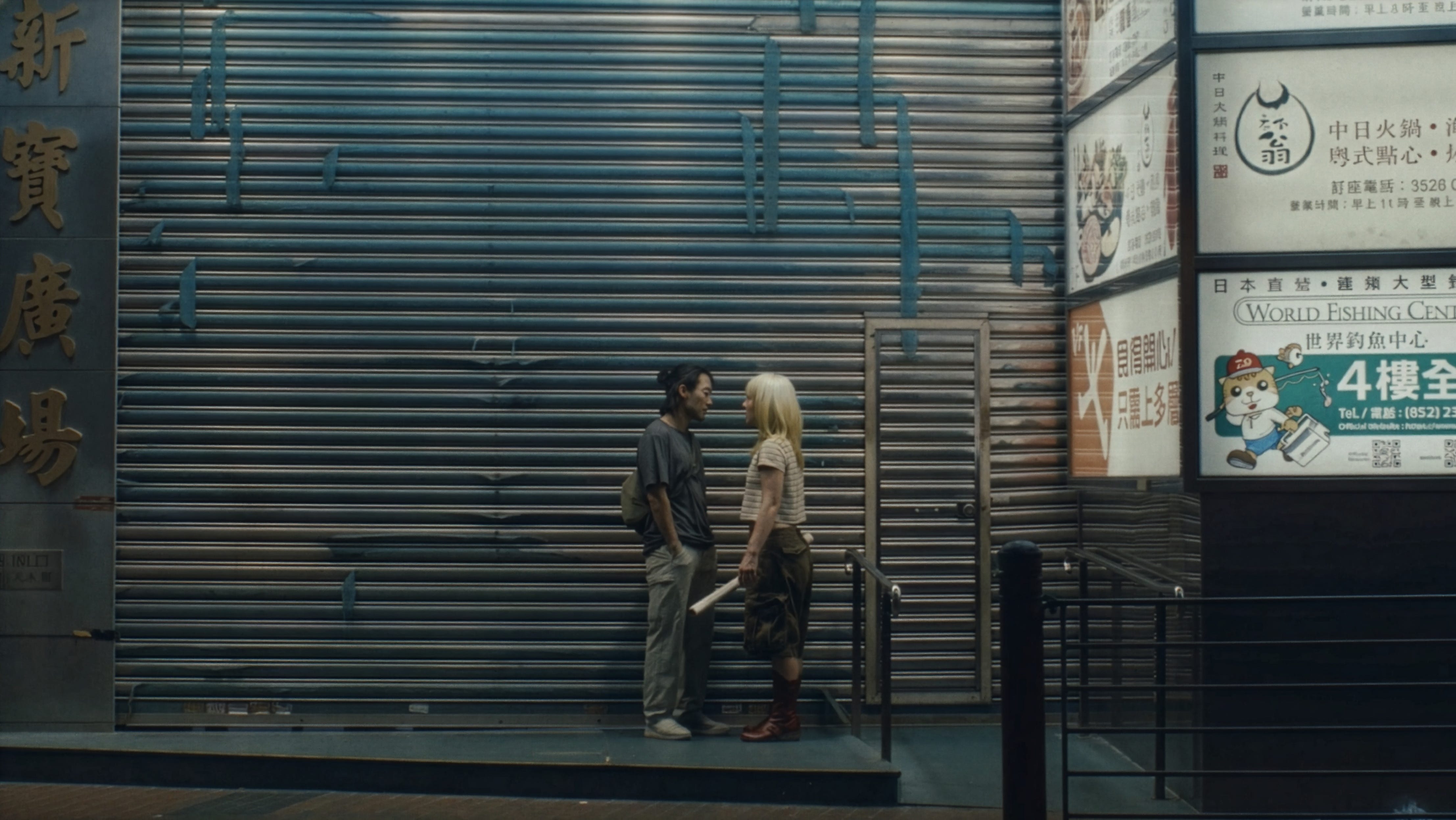
Imagine the audience’s surprise when Min (Jin Ha, Love Life) arrives and is revealed to be the man who has been following Zi all day. We learn that he and Elle were in an almost decade-long romantic relationship, and Elle left him because that is not what she wanted in this moment. She essentially left him in the lurch, searching for something different, and it begins to feel like Zi may be that “different.” With the addition of Min and his complicated history with Elle, a story that was already leaning too heavily into Elle for my liking becomes even more focused on Elle and Min rekindling their connection. While their healing allows Elle to speak and live her truth, it overpowers the opportunity to learn more about Zi. Zi overhears Min and Elle discussing the Center and learns that her temporal relativism is causing her present experiences to be delayed, meaning her perception is essentially lagging behind reality. Min does not want to reveal too much, but he has been tasked with ensuring that Zi makes it to the Center the next morning, which is why he was following her.
With this revelation, Zi leaves Min’s apartment and heads to a subway station. It is here that we learn she is an accomplished violinist when she plays a beautiful piece alongside another underground performer. When Min and Elle find her, they encourage her to enjoy the rest of the day. As Elle and Zi run off together, they share an intimate moment that leads to Zi seeing Elle as the older woman from her visions.
By the end, the story still feels more like Elle’s than Zi’s. All I wanted was to know more about Zi. Why is she having these visions? Why does Min have a change of heart and not only avoid taking her to the Center but also ask Elle to promise she will never go? Why is Zi seeing only herself and Elle? Are these two women connected in another timeline? Are they meant to be the great loves of each other’s lives? Is this story about Elle finding her way back to Min to fully end that chapter before starting something new with Zi? Does Zi ever play music again? What happens to her career? Does she go on tour? What is known about her disorder? Are there others like her? The film feels like Elle and Min receive the resolution they are seeking, while Zi is left with a gaping hole. Even though much of the film follows Zi’s wandering, it remains unclear whether she continues to drift through life this way. While Kogonada makes some compelling visual and auditory choices, supported by excellent musical selections, the script still lacks the depth and clarity I needed as a viewer. Ultimately, the film does not center Zi as much as it should, nor does it fully showcase Michelle Mao’s artistic brilliance in the way I had hoped.