
"I Love Boosters" Is a Wake-Up Call to Fast Fashion & Humanity!
SXSW 2026 | Spoiler Review

Boots Riley (Sorry to Bother You) is known for his eccentric art, boldly wrapped in social, political, and economic themes that demand attention, and I Love Boosters is no different. Written and directed by Riley, the film is a pro-union, anti-capitalist critique that follows The Velvet Gang: Corvette (Keke Palmer, The 'Burbs), Mariah (Taylour Paige, IT: Welcome to Derry), and Sade (Naomi Ackie, Blink Twice) — three friends who have gained notoriety as boosters in the Bay Area. The Velvet Gang takes what they can in the most creative ways and holds street sales to make ends meet.
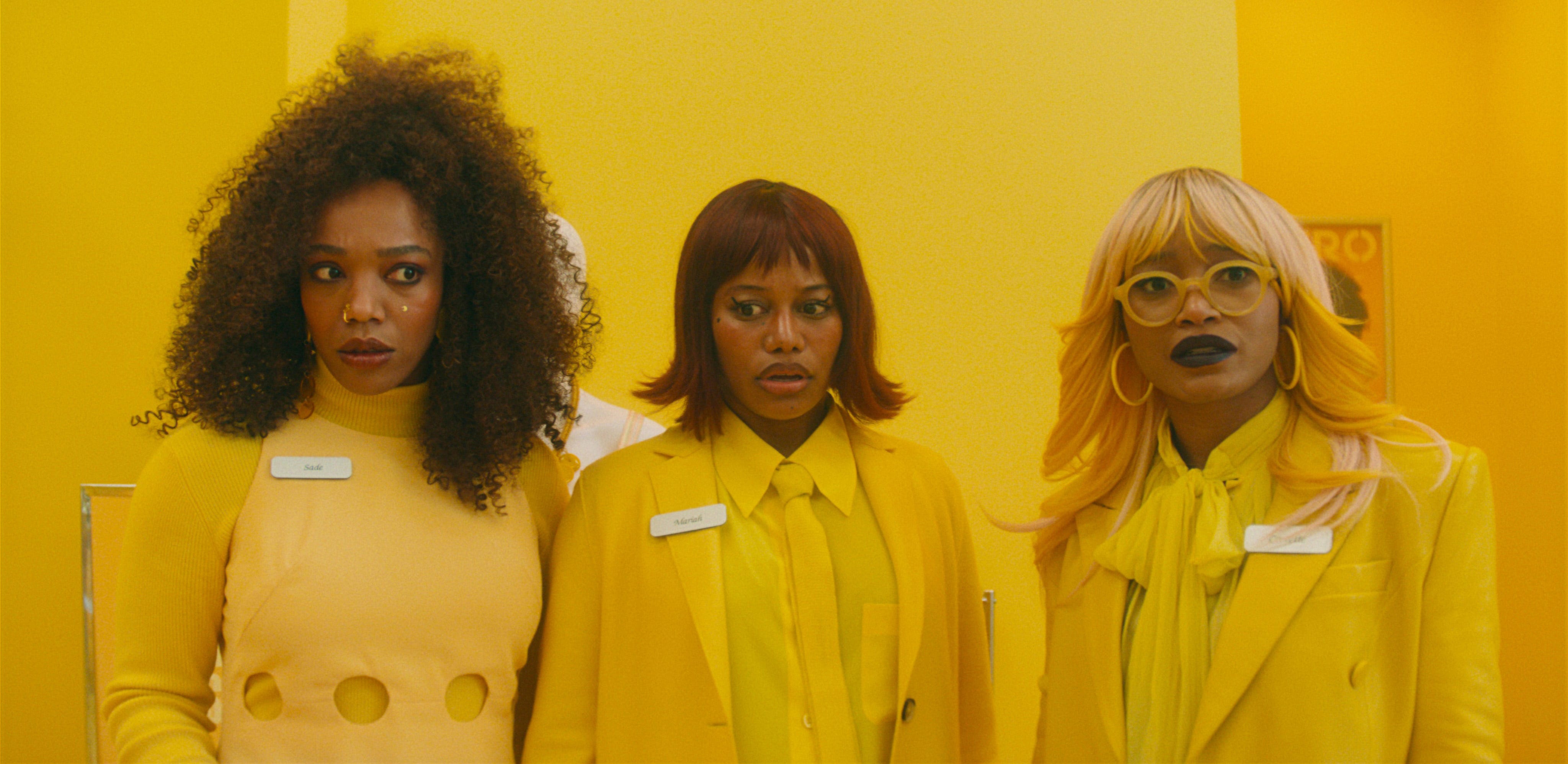
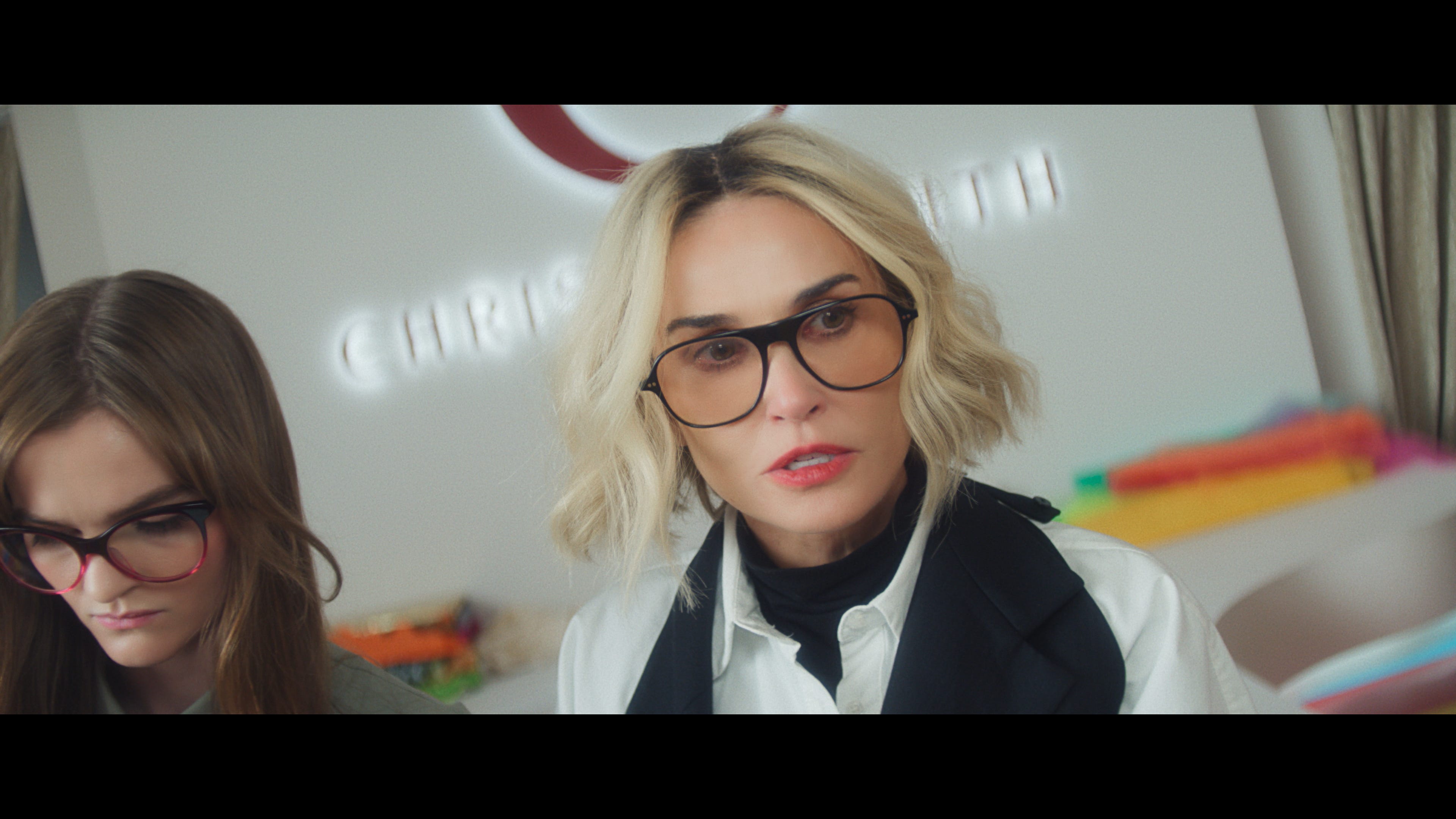
Corvette, who is squatting and isolating from her community due to financial hardship, is a brilliant fashion designer who idolizes industry tycoon Christie Smith (Demi Moore, The Substance). Christie is a wealthy "genius" who runs the Metro Designers fashion chain, selling fashion as art with a hefty price tag to match. Corvette sneaks into Christie's office hoping to catch a glimpse of her icon but overhears something far more valuable — the creation of a six-figure suit. Christie catches her, and Corvette does what anyone would do: she lies about her name and profession. From there, The Velvet Gang hatches a plan to become employees at Metro Designers and boost merchandise from inside the house.
As new store associates, they witness the reveal of Christie's latest Metro creation — one that is identical to one of Corvette's own masterpieces. It becomes clear that all of Christie's legendary, visionary pieces come from other people, in this instance a Black woman. The idea that greed drives high-profile individuals to lie, steal, and build their wealth on the backs of underrepresented communities is not lost here. Riley puts a sharp lens on how the wealthy continue to ride the coattails of those who have originality but cannot afford to have their art displayed due to a lack of capital and opportunity.
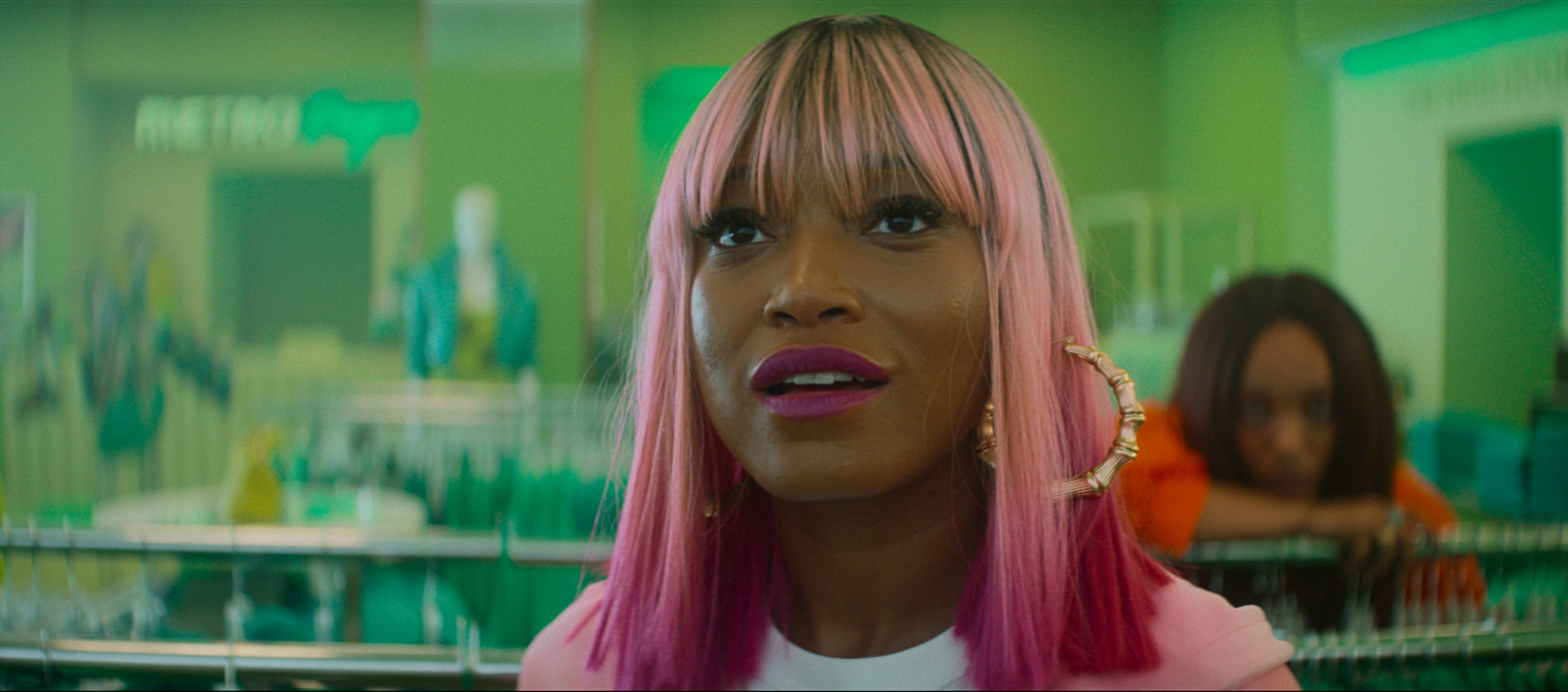
Boosting their place of employment would be an easier lift if it weren't for their strict, rule-following manager Grayson (Will Poulter, The Bear). Grayson is obsessed with the brand and is the poster child for everything toxic about corporate culture. While he's being a stickler about protocol and uniforms, he leaves the floor unattended — and Jianhu (Poppy Liu, Hacks) swoops in and clears out the entire store. Intrigued by her swiftness, the Velvet Gang reviews the surveillance footage and tracks her down out of curiosity and a desire to make their own boosts more efficient. As it turns out, Jianhu is living in the future — she has a game-changing teleport.
What's more, she works at the Metro Designers factory in China and exposes the company's beyond inhumane treatment and working conditions, which caused not only her aunt's death but also her mother's cancer diagnosis. She and her family discover that the teleporters are a cost-saving mechanism, and her goal is to reclaim everything from the stores as leverage to demand change. Meanwhile, Pinky Ring Guy (LaKeith Stanfield, The Changeling) is a strange man of very few words but keen intention, who keeps popping up and attempting to pursue Corvette — but Sade has warned her that he's a literal soul-sucking demon that comes alive during sex. Corvette wants to stay far away, but it's hard.
Violeta (Eiza González, 3 Body Problem), another former Metro Designers employee, wants the Velvet Gang to use the teleporters and everything they've uncovered to fight the corporation on an even larger scale. But the gang is too caught up in survival mode — and Corvette is deep in depression and isolation — so they aren't all on the same page when it comes to fighting for the greater good. That changes when they discover additional toggles on the teleporter, unlocking new possibilities: the ability to deconstruct clothes back to their original materials and to heighten already tense situations.
When the girls sneak into the Metro Designers big fashion show, Pinky Ring Guy — yes, he's back again — helps them gain access to deconstruct the clothes. They find the infamous six-figure suits being worn by some of the most high-profile guests, and when those suits are removed, they're revealed to be skin suits. The Velvet Gang escapes, but tensions flare between Sade and Corvette. As a single mom, everything Sade does is in service of her children's future, so she sells the skin suits — forcing Corvette to flee authorities in both China and the U.S. while also protecting Jianhu and the factory workers. Violeta, still at the fashion show, uses the teleporter to amplify the crowd's rage and ignite strikes. As people revolt against Metro Designers worldwide, Jianhu continues deconstructing the clothes — and her mother is healed.
Corvette ultimately declines Pinky Ring Guy's romantic advances once and for all, finding instead a deeper sense of purpose within her community. The Velvet Gang decides to open a community center where they can sell ethically and reasonably made goods at fair prices.
I Love Boosters does exactly what it sets out to do: be the kind of art that moves people toward change. There were moments that went off the path for me, and a few side characters who don't add much to the overall story — but that's okay. Riley has always created unique, layered work, and there are stretches in his films where I may not fully relate to or understand every choice he makes, but he always lands the plane. Black artists deserve the freedom to showcase multi-layered, multi-dimensional bodies of work — and to unapologetically bring their creative partners along for the ride. And with this talented cast that was eagerly willing to create not-so-subtle on-screen interpretations of a very real problem that humanity is currently facing, it's no surprise that the film is well-received by those who understand it at its core.
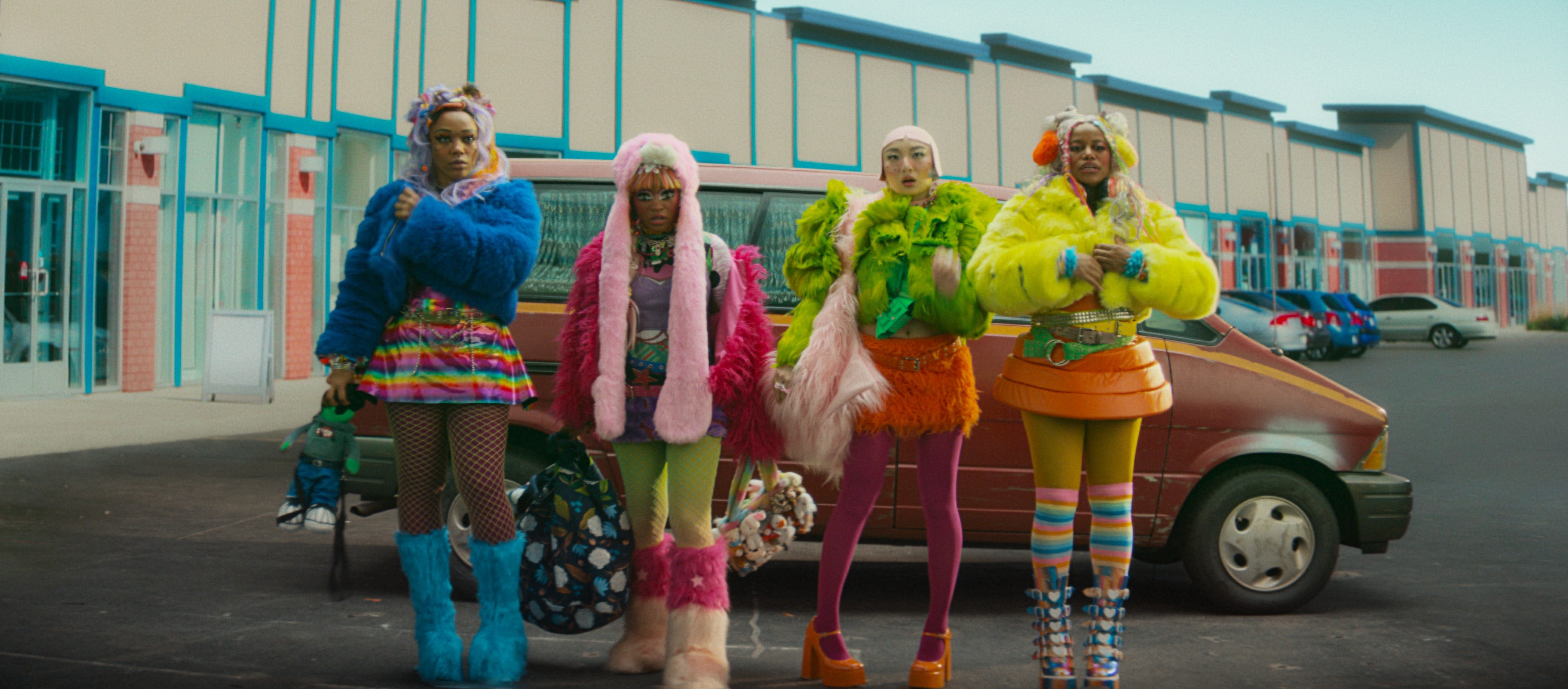
A special shoutout to Oscar-nominated costume designer Shirley Kurata (Everything Everywhere All at Once), who went all out and provided an additional layer of visual commentary through her wardrobe choices alone. It's the textures and colors used through the lens of fashion, alongside Riley's use of exaggeration, big feelings, comedy, and high stakes, to push topics that humanity needs to confront headon. Gathering this elite cast to tell a story about community organizing, the fast fashion industry, unfair working conditions, and the global and climate implications of greed is precisely why I will always admire him as an artist. It takes bravery and creativity to speak truth to power in fun and elaborate ways — and when art is bigger than ourselves, it sparks change. I hope that's exactly what I Love Boosters does for this moment in history.
 | A guest post by
|